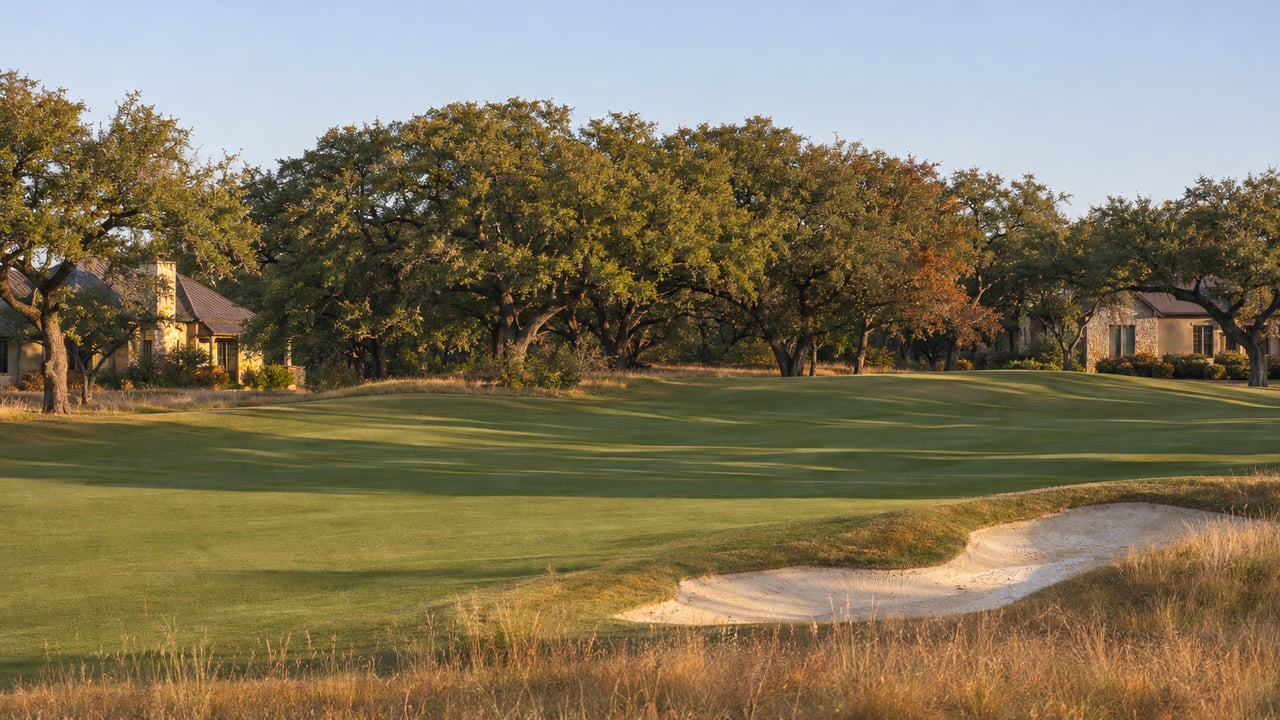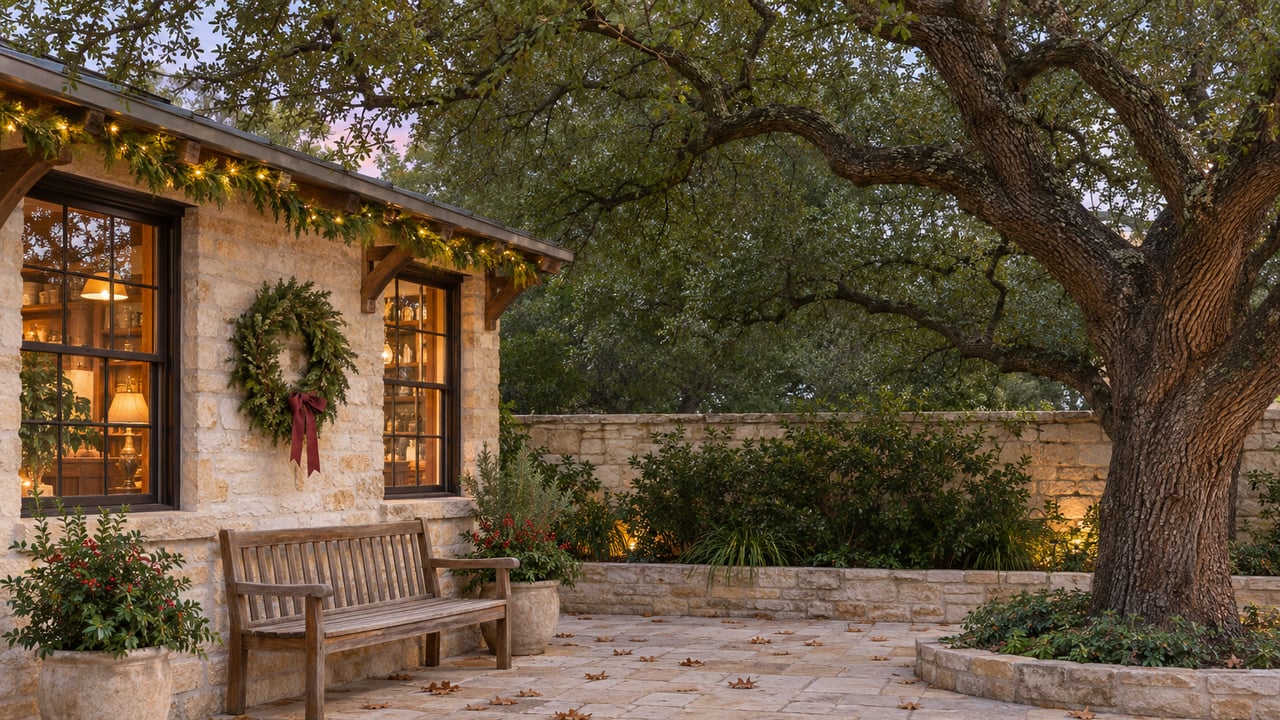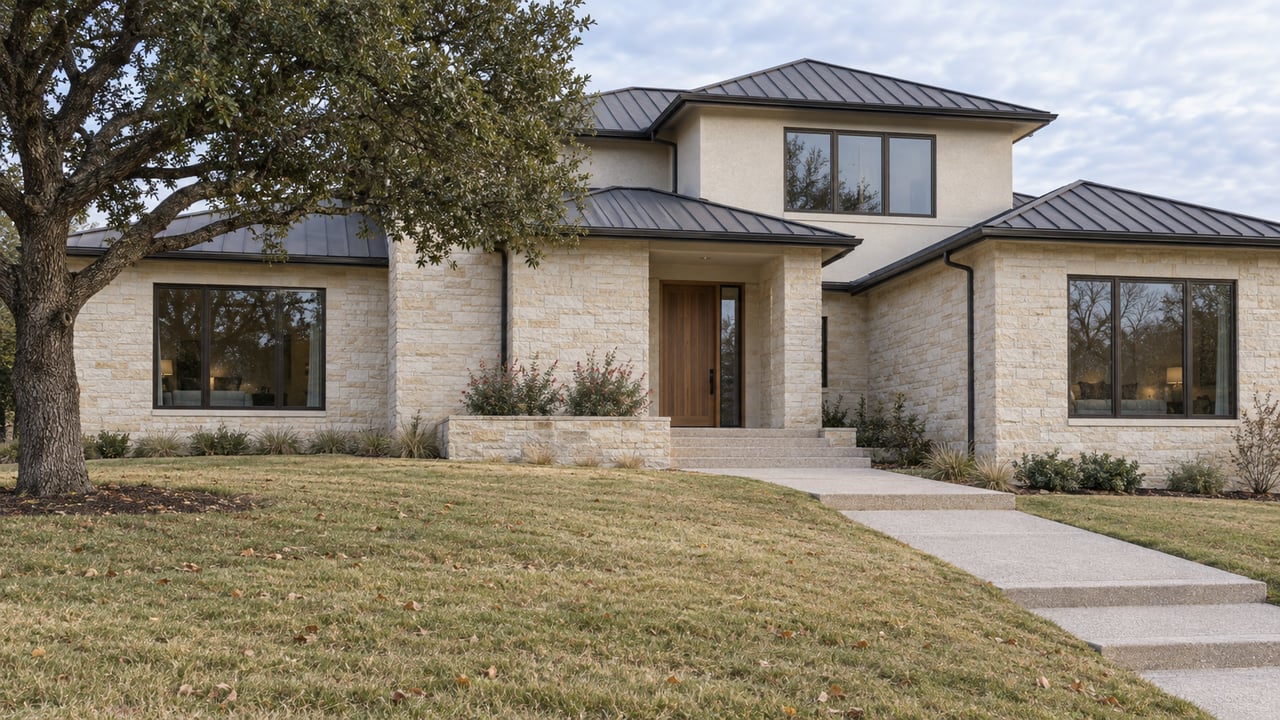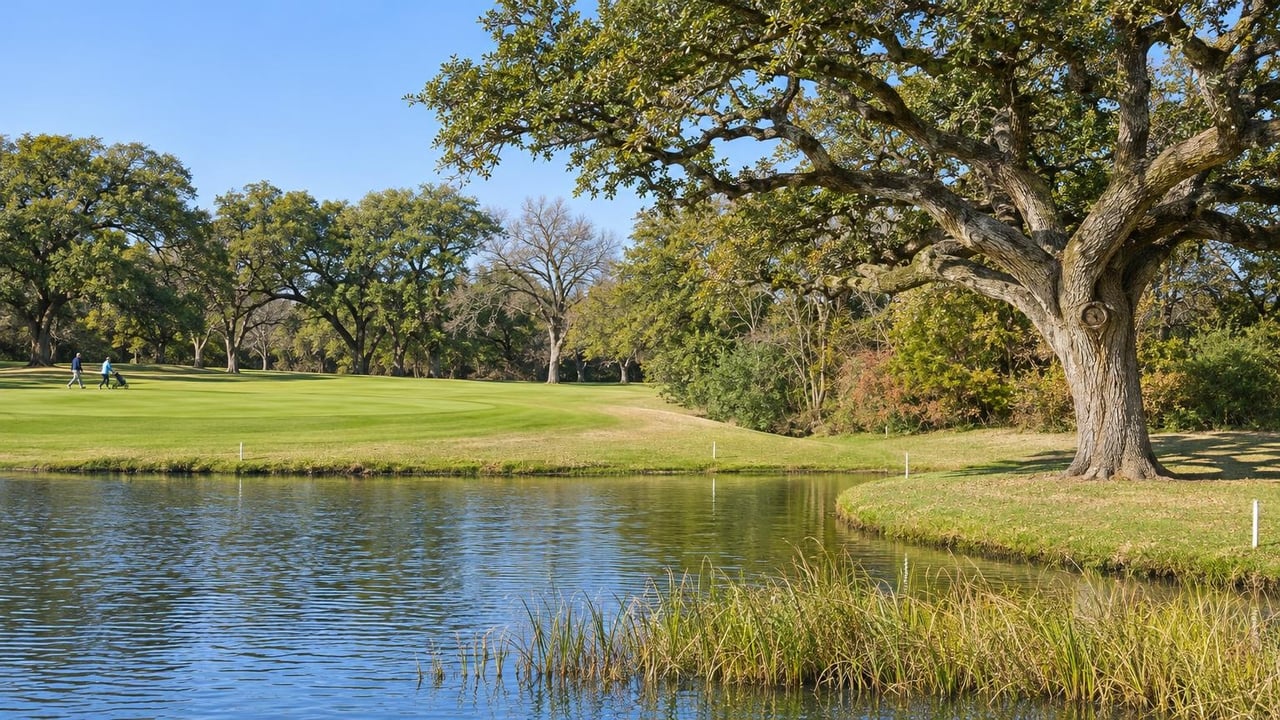
"Muny is a citywide gathering place and for many reasons other than golf," Muny Conservancy co-chair Scotty Sayers told the council, as KUT reported after the November 17 work session. "It's more than a golf course. It's green space, it's a wildfire sanctuary, it's history, it's just part of our fabric."
The council is scheduled to vote on December 3 on an agreement under which the University of Texas would transfer Lions Municipal Golf Course to the city. Out on Enfield Road, December runs on the same schedule as any other month. Tee times open on the same days, the fees posted in October 2025 are still in effect, and the next maintenance Monday falls just before Christmas. For a Tarrytown household, that means the course being argued over at City Hall is still the course you can book this week.
Ninety years on a lease
Col. George W. Brackenridge gave this land to UT in 1910 while he was serving as a regent. The course was built in 1924, the city took over its lease and operation in 1936, and in 1950 it became the first public golf course in the South to desegregate. The city has run the course on a lease for that whole time. The lease now in place was signed in 1987 and has been extended five times. The most recent extension, in May 2020, put it on a month-to-month basis, according to the city's November 17 council briefing.
The same briefing calls Muny Austin's most-used public course, with 75,000 rounds a year. The Austin High boys' and girls' teams play their home matches there, and so does O. Henry Middle School. The course also runs after-school and summer youth programs, and it has hosted the UIL State 2A Golf Championship. The Austin Women's Public Links Golf Association was founded at Muny in 1940, and Youth on Course rounds there cost $5. The briefing also says Lions hosts more charity tournaments than any other course in Austin. Its examples include events for the Foundation for the Homeless, Special Olympics and the LULAC Scholarship.
That is the course the council took up at its November 17 work session.
The room on November 17
KUT reported that more than 100 people spoke at the work session, and many of them asked that the property be kept as it is. According to KXAN's coverage, Ben Crenshaw and Sayers were among the Muny supporters who urged approval. Travis Audubon asked the council to slow down out of concern for trees, wildlife and open space, and members of Friends of Brackenridge Field Lab asked that the vote be postponed until June 2027. The city's Environmental Commission had recommended the same June 2027 date on November 4.
Much of that discussion was about the 82-acre Brackenridge Field Laboratory, UT's research site near the course. UT referred KUT to an October statement saying the university has no plan for its land at this time but that future development is possible. Council Member Marc Duchen told the room, "What we learned today is we can't dictate to the university how it uses this land for university purposes."
The December 3 vote is one step in a longer process. The UT System Board of Regents also has to approve the deal, and both sides must agree before it is final. The city's timeline puts the actual transfer of Lions in spring 2027.
Lake Austin Boulevard, by the numbers
For people who live south of the course, the work session also put figures on the boulevard they drive every day. Austin Politics, reporting from the meeting transcript, quoted a transportation department assistant director who told Duchen that Lake Austin Boulevard carries about 15,000 trips a day and can handle about 25,000 as built. With the road projects UT and the city have studied, its capacity could reach 30,000 to 33,000 trips a day. Those projects are a rebuilt intersection at Redbud Trail and Lake Austin Boulevard, a new loop from westbound Fifth Street to southbound MoPac, and a collector street just south of the boulevard. Duchen pointed out that the same corridor serves Austin High and O. Henry, the two schools whose golf teams play their home matches at Muny.
What the Conservancy wants to build next
The Muny Conservancy has laid out its hopes for after preservation: a restoration with the architects Coore & Crenshaw, and a teaching center that honors Muny's integration. Those plans depend on the course being preserved first. The group's Imagine Muny V benefit on September 10, 2026 raised more than $1 million.
A round at Muny this December
These green fees have been in effect since October 1, 2025:
| Lions Municipal Golf Course | Mon–Thu | Friday | Sat/Sun/Holiday |
|---|---|---|---|
| Regular round | $35 | $41 | $44 |
| Evening round | $29 | $31 | $34 |
| Sunset | $28 | $28 | $28 |
| Nine holes | $28 | $28 | $28 |
| Junior, high school | $20 | $20 | $20 |
| Cart, per person | $18 | $18 | $18 |
A round on Thanksgiving Day is charged at the $44 holiday rate. From Monday through Thursday, a regular round is $9 less, and nine holes are $28 any day of the week. City of Austin residents can also buy a $5 annual GolfATX Resident Card at Lions for a discount on green fees and merchandise.
Weekday tee times open online at 9 a.m., seven days ahead. Saturday and Sunday tee times open online only, at 8 p.m. on the Monday before, so tee times for December 5 and 6, the first weekend after the council vote, open the evening of Monday, November 30. Online booking requires a user account. The pro shop's number is (512) 978-6869, which spells MUNY. The course closes for maintenance on the third Monday of each month, and the next closure is Monday, December 21, 2026. Evening and sunset start times change with the season, and the city's Lions page has the current chart.
For more on this part of town, see our Central Austin neighborhood pages and our summer look at what changed near Deep Eddy.
If you live near Muny and want to talk about the course and the Lake Austin Boulevard corridor as part of your plans in Tarrytown, Thomas Luxury Group is following the December 3 vote and the spring 2027 steps that come after it. Request a private consultation and we will be glad to talk it through with you.