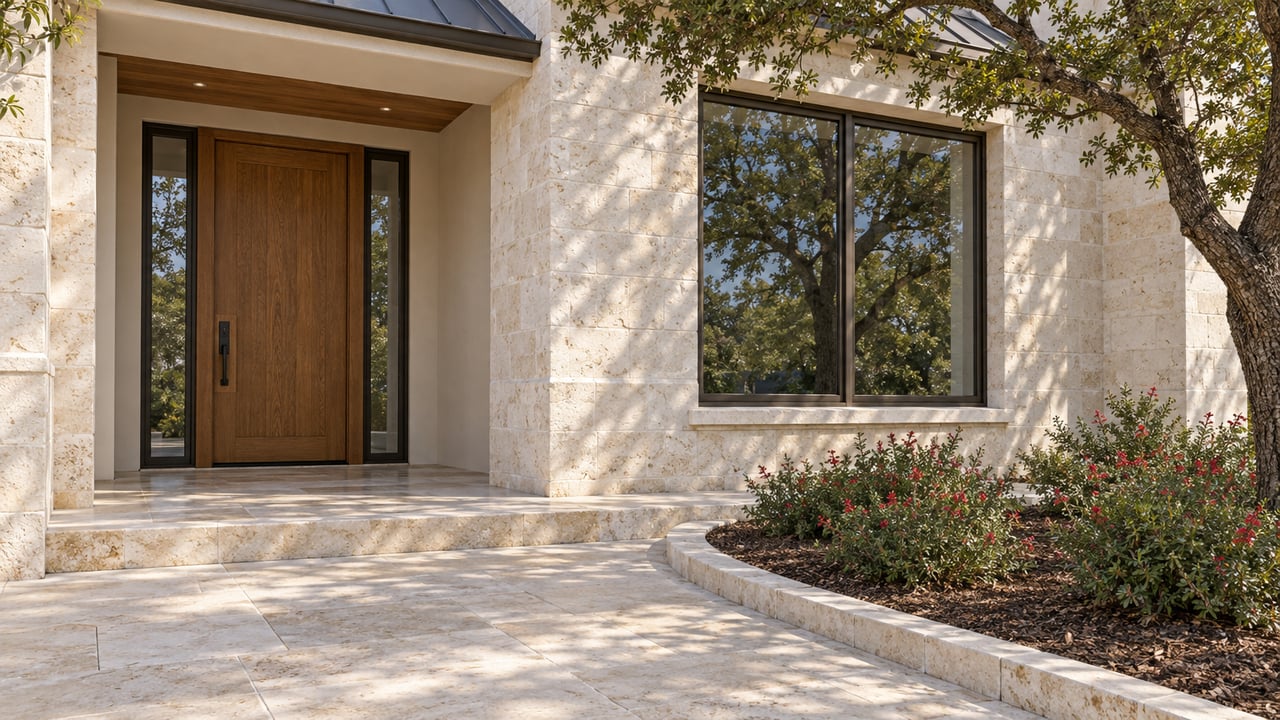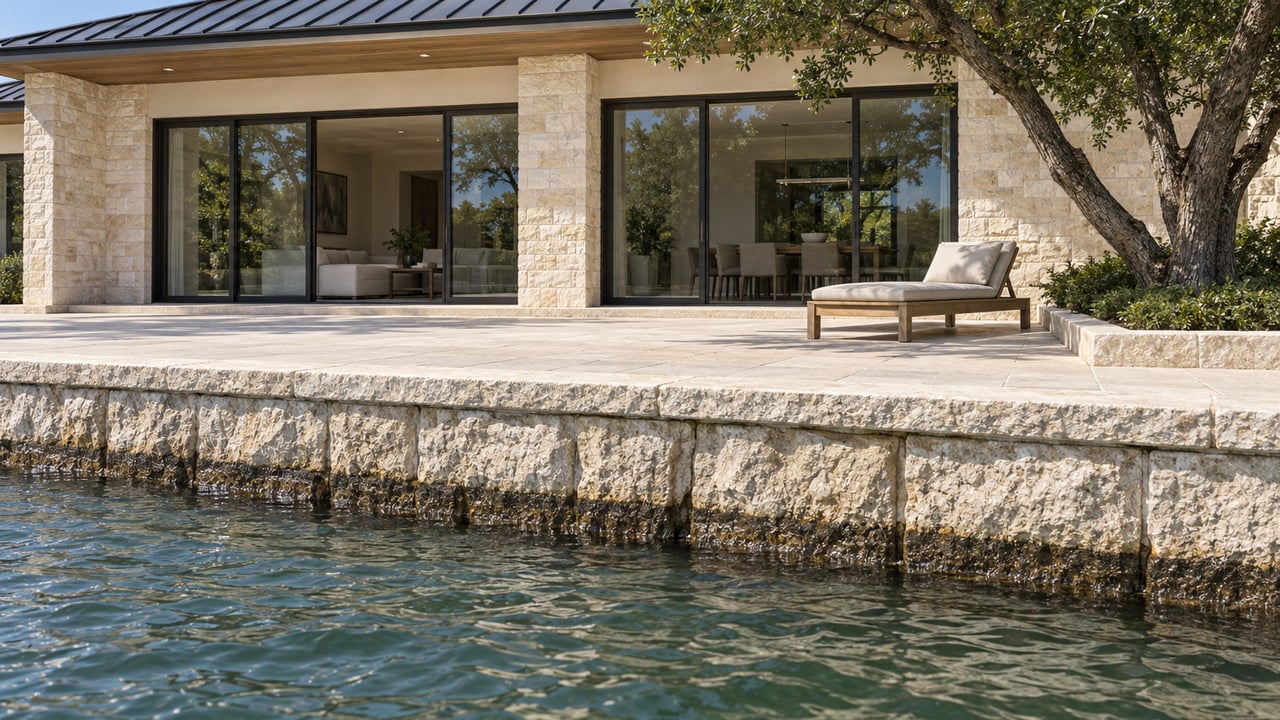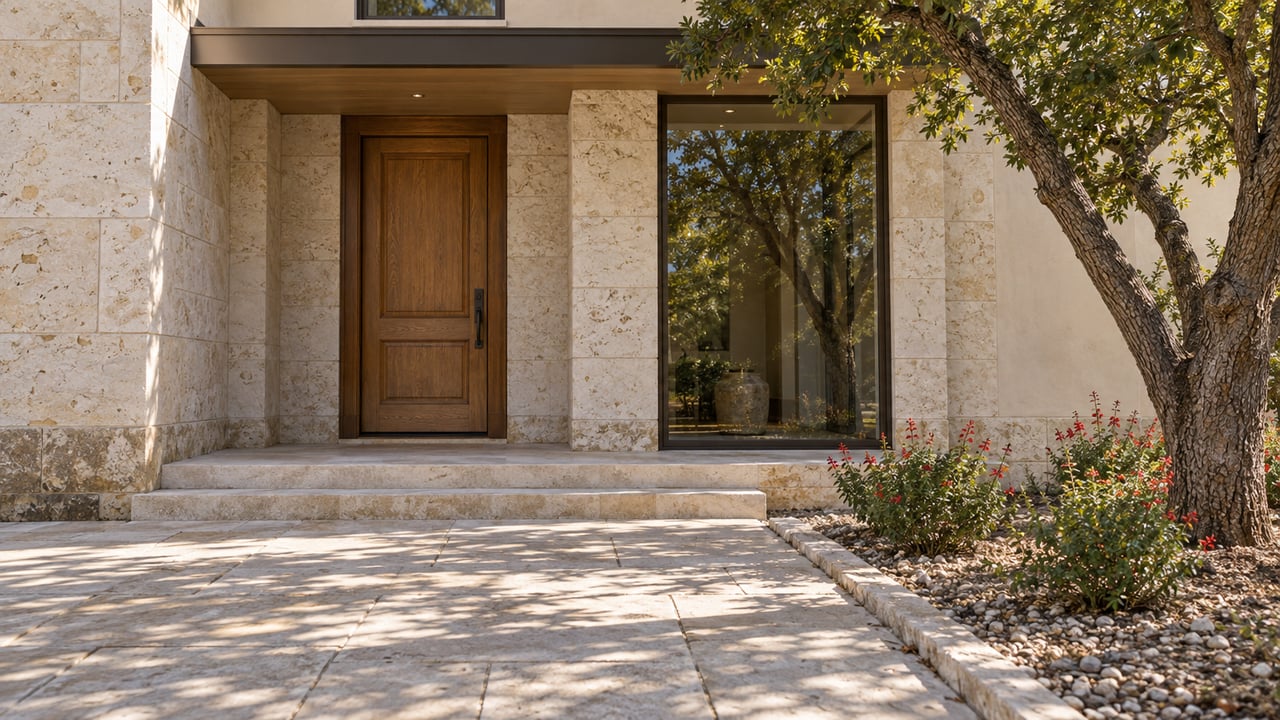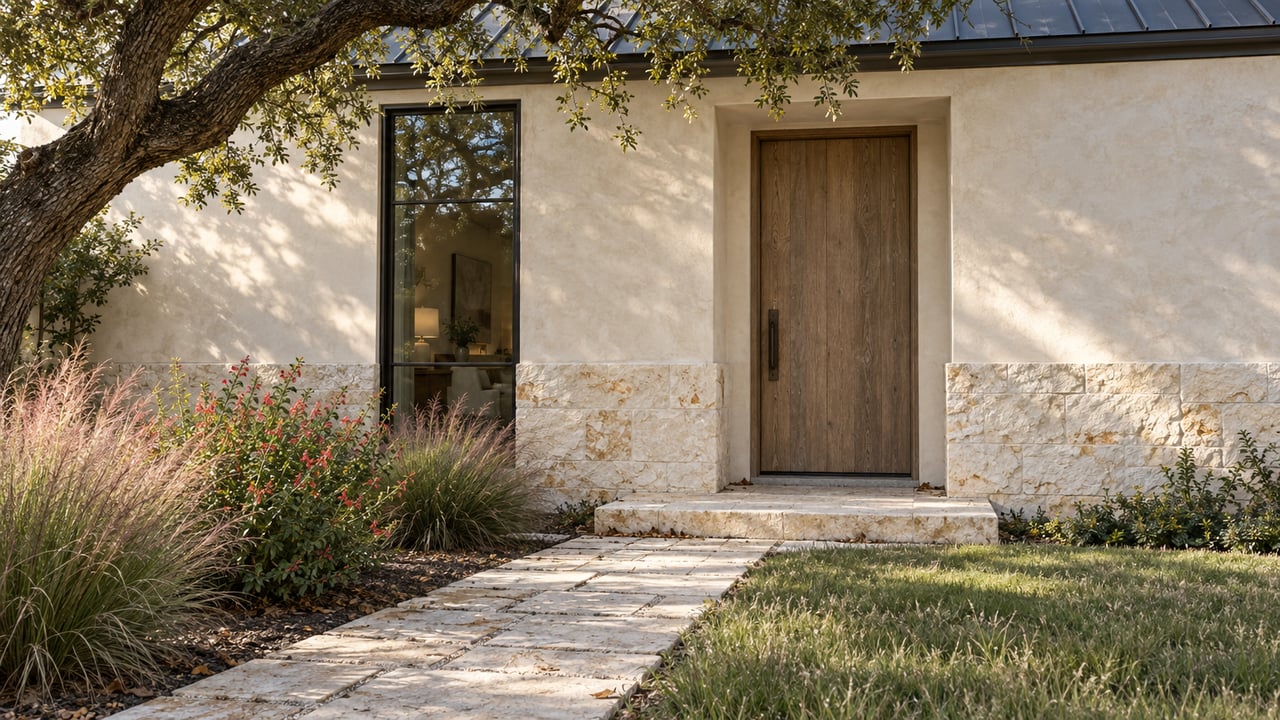
A buyer tours two homes on the same Friday. One sits along a fairway inside Barton Creek, listed just under $3 million. The other is a similarly sized estate inside Spanish Oaks, listed just above it. On paper the decision looks like a coin flip: acreage, finish level, and drive time all wash out. Then the club paperwork arrives, and the two homes stop resembling each other at all. One initiation check will be returned when the owner sells. The other will not. That single distinction, buried under identical-looking list prices, is where most Austin golf-community buyers first understand what they are actually buying.
The thesis
The price per square foot on the MLS is the least useful number in an Austin golf community transaction. The number that matters is the structure of the club membership tied to the home, because it determines whether a six-figure initiation is a recoverable asset or a sunk cost, whether the community can dilute future supply, and whether the governance of the club can change out from under the owner. Two of Austin's most-compared golf communities sit ten minutes apart along the Bee Caves Road corridor and operate on opposite sides of that structural line.
Two models, side by side
| Feature | Barton Creek Country Club | Spanish Oaks Golf Club |
|---|---|---|
| Ownership model | Resort-operated (Omni) | Member-owned equity |
| Full-golf initiation (2026) | ~$125,000 | ~$150,000–$200,000+ |
| Monthly / annual dues | ~$1,120/mo | ~$18,000–$24,000/yr |
| Courses | 4 (Fazio Foothills, Fazio Canyons, Coore-Crenshaw Cliffside, Palmer Lakeside) | 1 (Bobby Weed, 7,106 yds) |
| Community scale | ~4,000+ homes across six enclaves | Hard cap of ~400 homes |
| Initiation on resale | Not recoverable | Recoverable equity |
Sources: 2026 club rate sheets and Austin luxury-market reporting compiled April–July 2026.
Lead with the friction: what surfaces at contract
The transaction moment that catches most buyers off guard is not the inspection. It is the club application that runs in parallel with the purchase agreement. In Spanish Oaks, the community's 400-home cap means membership availability tracks directly with real estate turnover, so when homes sell, memberships transfer or become available. Membership is not automatic. It is by invitation and approval, and the admission process typically involves sponsorship by existing members, an application, interviews, and board approval. A buyer who assumes the golf membership travels with the deed can find the timing of the club process out of sync with the closing calendar.
Barton Creek runs the opposite play. Membership is separate from the home and can be sized to how the household actually plays, from social to sports to full golf, with a resort operator managing the queue. That flexibility is real, but so is the trade-off buyers rarely price in: the initiation check clears and does not come back.
The equity math over a ten-year hold
The instinct is to compare the sticker on the initiation. A $200,000 equity entry sounds punishing next to $125,000 at a resort club until the exit is modeled. Cara Keenan of the Keenan Group put the mechanic plainly this spring: the initiation fee at Spanish Oaks is significant, but it is equity, and owners get it back when they sell, which is the key difference from resort clubs where initiation is a sunk cost, and for buyers who plan to hold ten or more years, the equity model often makes more financial sense.
Two ways to think about it:
- At a resort club, the $125,000 initiation amortizes to roughly $12,500 per year over a ten-year hold before dues.
- At an equity club, the $200,000 initiation returns at exit, so the annual carrying cost across ten years is dominated by dues, not initiation.
The buyer with a short horizon should read this the other way. If the plan is a three- to five-year hold, the resort model's lower entry and greater flexibility usually win. The equity model rewards patience, and it punishes buyers who use a golf-community home like a pied-à-terre.
Scarcity is a governance decision, not a marketing claim
Barton Creek's four courses and multi-enclave scale mean a buyer can find a garden home in the $700s or an estate above $10 million inside the same gates. Spanish Oaks does not have that range because it chose not to. The community benefits from a hard 400-home cap that creates permanent supply constraint, and the equity membership structure gives owners governance control over the club, which protects long-term property values better than developer-controlled communities. Those two facts compound. A member-owned club with a fixed home count cannot decide to add a second course, sell naming rights, or expand membership to hit an operator's revenue target.
The market has priced that constraint. Homes in Spanish Oaks sell for around $681 per square foot, roughly 2.3 times the City of Austin median of $297, based on data as of July 2026. That premium is not paint and stone. It is scarcity, and scarcity is a governance outcome.
The governance risk buyers rarely underwrite
The flip side of the equity story is that resort-operated clubs are exposed to operator decisions the members cannot always vote on. Austin's private-club community has been open about the friction. One long-running member thread describes a contingent at Barton Creek that is suing over unilateral bylaw changes following an ownership transition, alongside complaints about resort play and service staff pulled in other directions. Whether or not that dispute resolves quietly, it is the kind of item a buyer touring a fairway estate should know exists before writing an offer.
At Spanish Oaks the analog risk is different. Member ownership means the members control governance, dues structure, capital improvements, and admission decisions, which is protective on the upside and slow on the downside. Capital calls and dues adjustments happen because members vote them in, not because a distant operator issued a memo.
What the July 2026 numbers actually say
The current MLS snapshot inside Barton Creek reads like a market that has cooled to a healthy plane rather than a distressed one. The live Barton Creek MLS market snapshot shows a median sold price of $2.9M, 15 active listings, 83 days average on market, and $689 average sold price per square foot on 28 closed sales in the trailing 12 months, with 2 pending listings, 6.4 months of supply, and a 94% sale-to-list ratio. Read those together: nearly three months on market and a sale-to-list under 95% mean sellers are negotiating, and buyers who understand the four-course flexibility and the resort trade-offs have room to shape terms.
Spanish Oaks reads differently because it must. Spanish Oaks has shown stronger percentage appreciation due to scarcity of roughly 400 homes versus 2,000, while Barton Creek has more transaction volume, which provides better comparable data for appraisals. Thinner comps in Spanish Oaks are not a defect. They are what a 400-home cap produces, and they make representation by an agent who has actually walked the specific streets more valuable than a portal print-out.
Two more variables the portals do not show
Golf is only part of what the community charter buys. Two operational details matter at contract time:
- School zoning is not uniform inside either community. Both are in Austin ISD; Barton Creek zones to specific AISD campuses depending on which section you live in, and feeder zones can split within the community, so addresses should be verified carefully. Reporting on Spanish Oaks has also noted that the address determines district exposure across Lake Travis ISD and Dripping Springs ISD.
- Course access follows the model, not the address. Barton Creek's Fazio Canyons, Coore Crenshaw, and Palmer Lakeside are accessible through Omni resort packages, while Spanish Oaks is strictly private with no public or resort access. Owners at Barton Creek share tee sheets with resort guests; owners at Spanish Oaks do not.
For a buyer who plans to play three to five rounds a week, the second point is more consequential than the first. Spanish Oaks gives one world-class course with a smaller membership, meaning a preferred tee time almost any day, and serious golfers who play three to five times per week often prefer Spanish Oaks for the access, while social golfers and families who want the broader club lifestyle tend to choose Barton Creek.
The tournament footnote worth reading
Barton Creek's course inventory is not standing still. Fazio Canyons hosts the 2026 Good Good Championship on the PGA TOUR. That kind of hosting brings capital investment into the course and a temporary spike in visibility for the surrounding real estate. It also brings tournament week disruption for members and homeowners along the routing. Both are worth pricing into a decision made in the six months on either side of the event.
A short FAQ
Is the equity model always the better financial choice? No. It rewards a ten-plus year hold. A buyer relocating for a defined three-year assignment usually recovers more value from the resort model's flexibility and lower cash entry.
Can I own in Spanish Oaks without a golf membership? Yes, though the community's culture and much of its social calendar are organized around the club, and social-tier membership is a common path for non-golfing residents.
Do these dynamics apply to Hills of Lakeway, Flintrock, Falconhead, or River Place? Each has its own structure. As a starting point, Hills of Lakeway carries mid-tier pricing at roughly $50,000 initiation and $825 monthly dues, which places it in a different buyer conversation than either Barton Creek or Spanish Oaks. The equity-versus-resort question is the right one to ask at every gate.
What is the single question I should ask before writing an offer? Ask the listing agent, in writing, whether the club initiation associated with the home is recoverable at sale, and whether the membership transfers with the property or requires a new application. The answer reframes the price.
Working the decision
The median price is the invitation to the conversation, not the conversation itself. In Austin's golf communities the real math sits inside the club charter, the home count cap, and the governance structure. Buyers who read those documents alongside the MLS sheet make better offers, hold longer, and exit more cleanly.
Thomas Luxury Group advises buyers and sellers across Austin's golf and lakefront communities with a teacher's clarity and an investor's pragmatism. Request a private consultation to walk your short list with someone who has read the club documents, not just the listing.