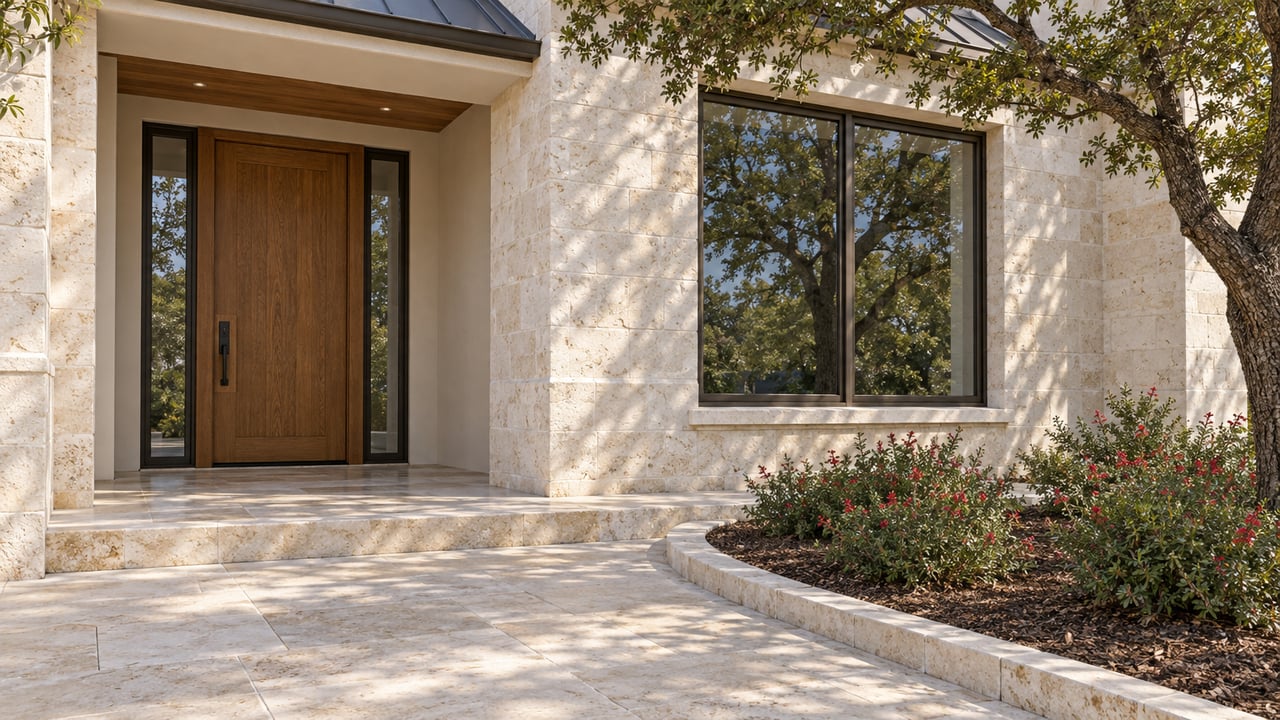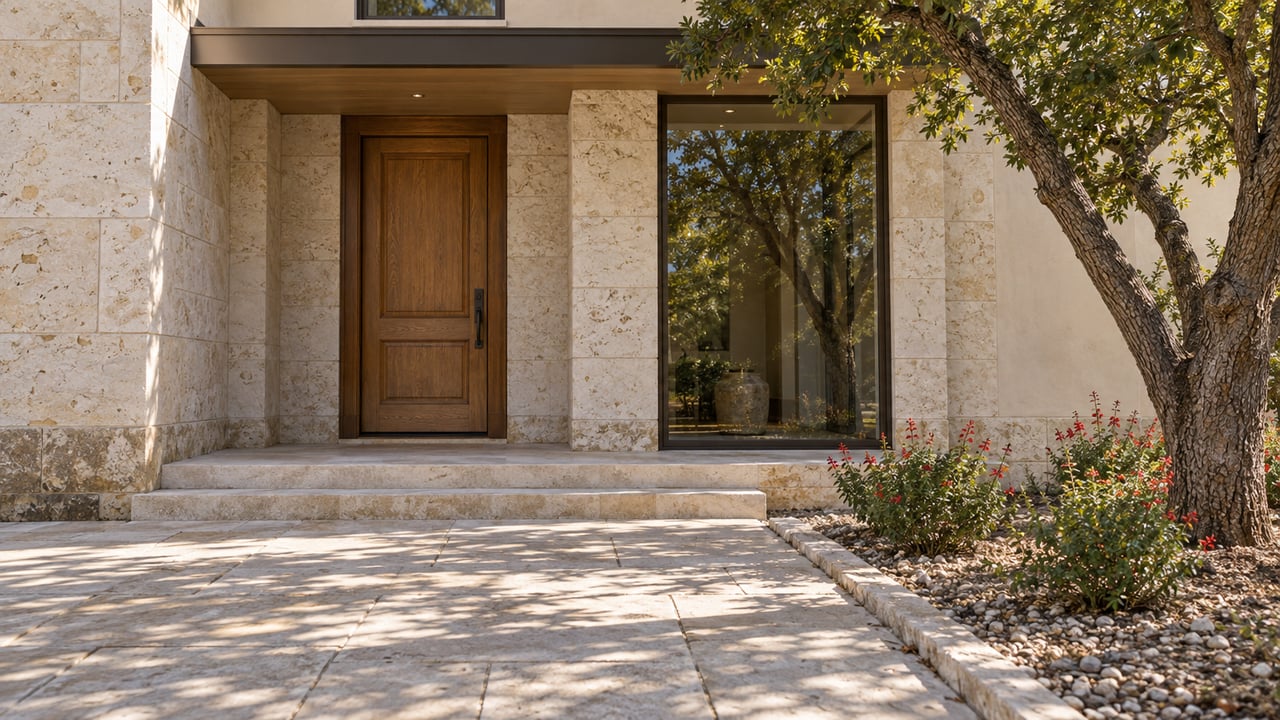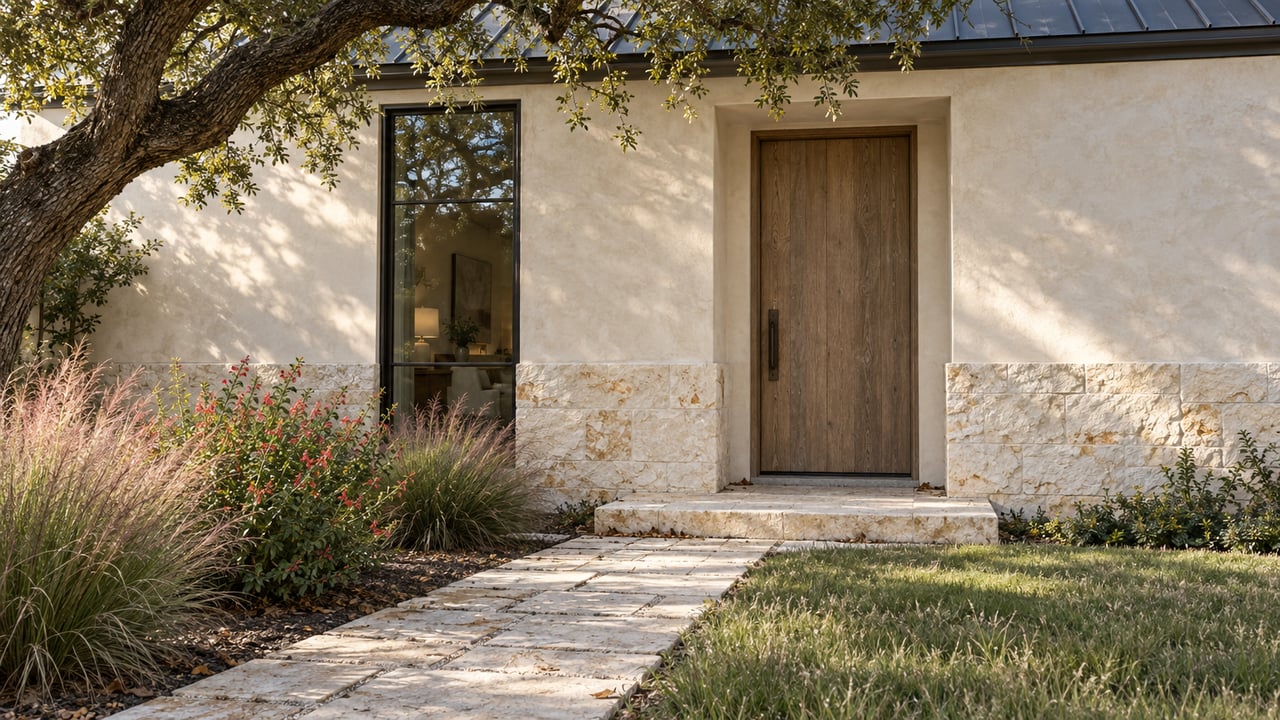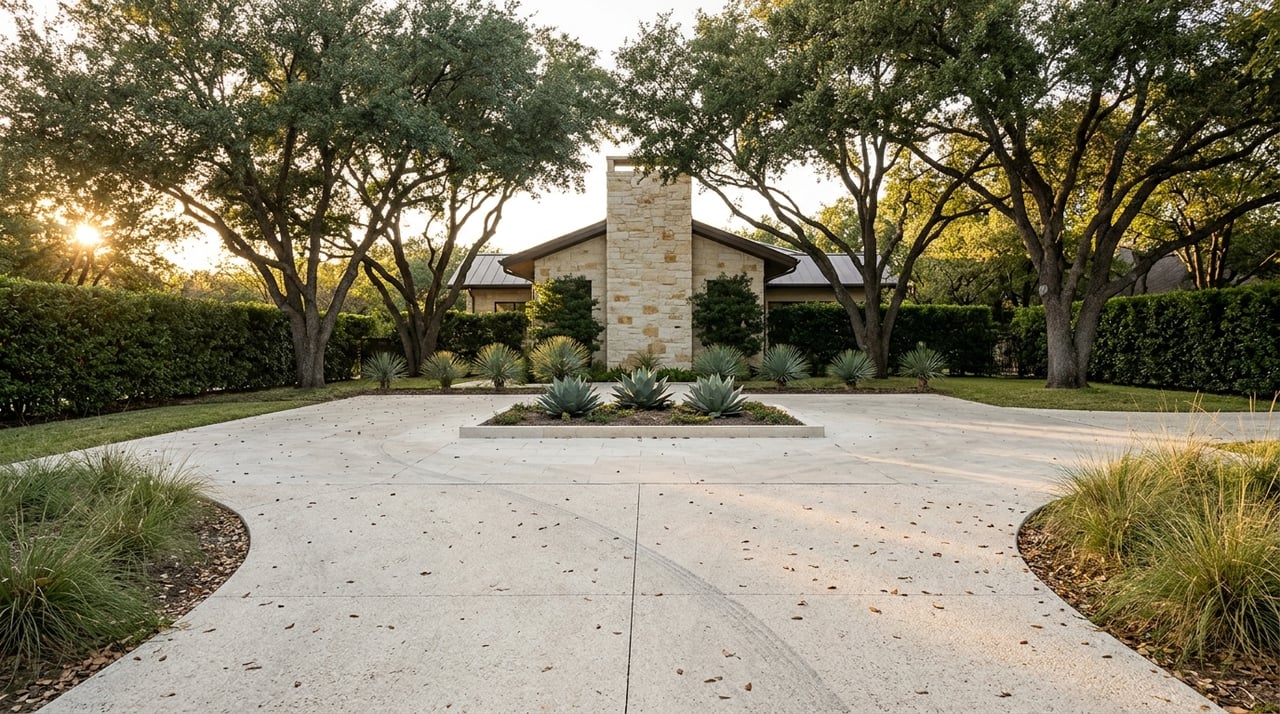
A fairway lot in Flintrock Falls can include a private cart-path road, a pool spillway, or a whole-house generator. The updated form is mandatory for contracts signed on or after July 1, 2026, according to Pass Texas Real Estate; it asks about private roads, above-ground storage tanks, conservation easements, and insurance.
The Texas Real Estate Commission adopted a new Seller's Disclosure Notice, Form 55-1, with an effective date of May 28, 2026. Its new questions may sound like they were written with ranch land in mind. None of that sounds like golf. But walk the update against a fairway lot in Cimarron Hills or Spanish Oaks and the fit is closer than it looks. These are exactly the properties that tend to sit on private interior roads instead of city streets, carry propane tanks for pool heaters and outdoor kitchens, and occasionally sit on acreage large enough to have a recorded conservation easement running through it. The form was not written for golf communities specifically. It just happens to describe them well.
The four questions that didn't exist before
TREC's own rule filing explains why the form changed. During the agency's periodic Sunset Advisory Commission review, Sunset directed TREC to update the disclosure so buyers would know, before signing anything, whether a property is currently insured, whether a private road on or next to it will become their financial responsibility, whether an above-ground tank over 500 gallons has stored petroleum products or chemicals, and whether the property sits inside a conservation easement.
| New question on Form 55-1 | What it actually asks |
|---|---|
| Insurance status | Is the home currently insured, does that include windstorm coverage, and has the seller been unable to insure it |
| Private road maintenance | Will a private road on or adjoining the property become the buyer's financial responsibility |
| Above-ground storage tanks | Has a tank over 500 gallons stored petroleum products or other chemicals |
| Conservation easements | Does an easement restrict use of the property to protect natural resources, wildlife habitat, open space, or historic sites |
None of these existed on the prior version of the form. A seller who has answered this disclosure a dozen times over the years is now facing four questions they have genuinely never had to think about, on a house they may have owned for a decade.
Why golf course lots feel it first
Take the private road question first. Interior streets in gated golf communities are frequently owned and maintained by the property owners association rather than the city, which means a seller inside a community like Flintrock Falls or Spanish Oaks is now more likely than a suburban seller to check "yes" on a box that simply didn't exist six months ago. That is not a new problem with the property. It is a new question about an old fact.
The storage tank question follows the same pattern. Golf course lots tend to run more outdoor infrastructure than a standard subdivision home. Pool heaters, whole-home generators, and propane for outdoor kitchens are common on estate-scale lots, and any of those systems using a tank over 500 gallons now has to be disclosed by name.
Conservation easements are the one item that will not touch most sellers, but the ones it touches, it touches directly. Larger acreage lots along hillside fairways or creek corridors sometimes carry them from an earlier phase of development. A seller needs to know whether theirs does before they sign, not find out from a title search after the buyer already has questions.
The insurance question changes the sequence of a transaction more than the substance of it. Buyers used to find out whether a home was hard to insure during their own shopping process after the option period closed. Now that information sits on the disclosure itself, before an offer is even written.
The paperwork these communities already had
None of this replaces the friction golf course lots already carried into a transaction. According to The Association Lawyers, most golf community governing documents attach an easement to fairway-adjacent lots that gives golfers the right to retrieve an errant ball. That structure is standard across golf communities generally, and it matters here for a specific reason: not every lot inside a gated golf community actually fronts a hole. Buyers who assume the easement applies to their lot, or don't, should confirm it against the recorded documents rather than the marketing.
Then there's the resale certificate. Texas Property Code Chapter 207 requires an association to provide a resale certificate covering assessments, budgets, bylaws, rules, and any pending litigation before a sale closes. That certificate is not instant and it is not free. A Flintrock-area property owners association lists a resale certificate fee of $375, ordered through its management company. Sellers who wait until the week before closing to request it are the ones who end up delaying it.
Guard-gated communities add one more logistical layer that a standard listing doesn't have. Flintrock Falls Property Owners Association runs its guard house through Securitas, and getting photographers, stagers, and buyer's agents through the gate typically means adding them to a visitor list ahead of time rather than showing up. It's a small detail, but it's the kind of thing that adds real days to a listing launch if nobody plans for it.
The comp problem that shows up after you're under contract
Here's the part that surprises buyers more than sellers. Spanish Oaks has more than 350 completed homes in a community originally planned for as many as 485, according to the club's own materials. That is a small, low-turnover pool of sales to draw from. Appraisers rely on the sales comparison approach, pulling recent closings on similar properties to support a value opinion, and in a club this size that pool can run thin fast. When it does, appraisers reach outside the immediate community for comps and make adjustments to account for the differences. A buyer who has built a purchase price around a golf-frontage premium should ask, before they're deep into an option period, whether enough comparable sales exist to actually support that number.
Cimarron Hills illustrates a related but different kind of fine print. According to Cimarron Hills, every property owner there carries a Resident Social Membership, folded directly into the HOA assessment, whether or not they ever golf. Golf and sport memberships stack on top of that as optional upgrades with their own initiation fees and monthly dues. None of that shows up as a separate line item until the resale certificate and membership materials actually arrive. It's a governance detail, not a defect, but it's exactly the kind of number that changes a buyer's real monthly carrying cost in ways the listing price never hinted at.
A realistic timeline from list to close
- Order the POA resale certificate the same week the listing agreement is signed, not after an offer comes in.
- Confirm with the guardhouse and property manager how photographers, stagers, and inspectors get added to the visitor list before the first showing.
- Complete the current TREC disclosure with the four 2026 questions specifically in mind, marking "unknown" only when it's genuinely unknown.
- Ask the title company which version of the disclosure form applies based on the contract's execution date.
- Pull the governing documents for the specific lot to confirm whether a golf ball easement is actually recorded against it.
- Talk through comparable sales inside the club versus nearby gated communities before setting price expectations around a view or frontage premium.
Two questions worth asking before you sign
Does the new disclosure form apply to a home already under contract? The current version applies to contracts signed on or after the mandatory date. Confirm the exact cutoff with your title company, since this detail can vary by transaction and isn't worth guessing on.
Is a golf ball easement the same thing as a protected view of the course? No. The easement addresses access for retrieving an errant shot. It says nothing about sightlines, tree cover, or what a neighbor can build between a lot and the fairway. If an unobstructed view matters to a buyer, that's a separate conversation with the architectural review committee, not something the ball easement covers.
None of this is a reason to avoid a golf course property in Austin. It's a reason to read the fine print with someone who already knows which lines changed this year and which ones have always been there. Thomas Luxury Group works these transactions inside Austin's gated golf communities regularly, from the resale certificate to the final walkthrough, and can tell you before you list or write an offer exactly which of these questions apply to your specific address. Request a private consultation to start with a clear read on your property, not a generic one.
This article is general information, not legal, tax or financial advice. Consult a qualified professional about your situation.