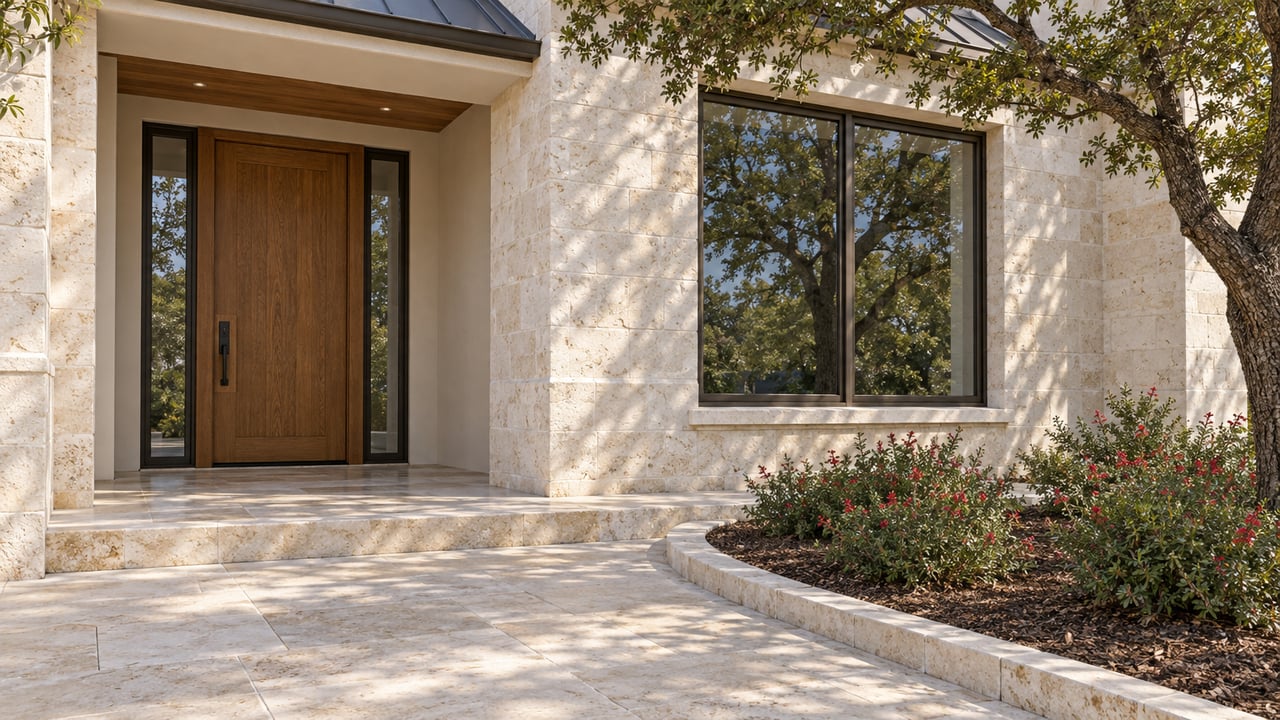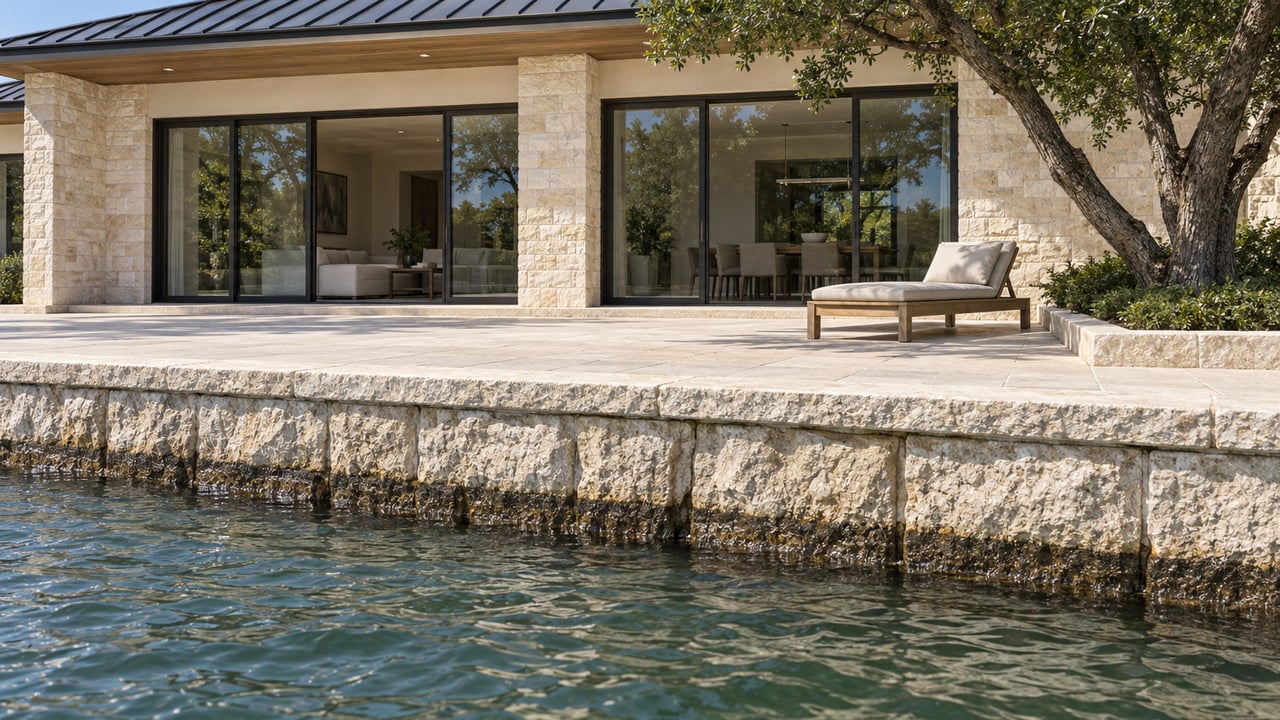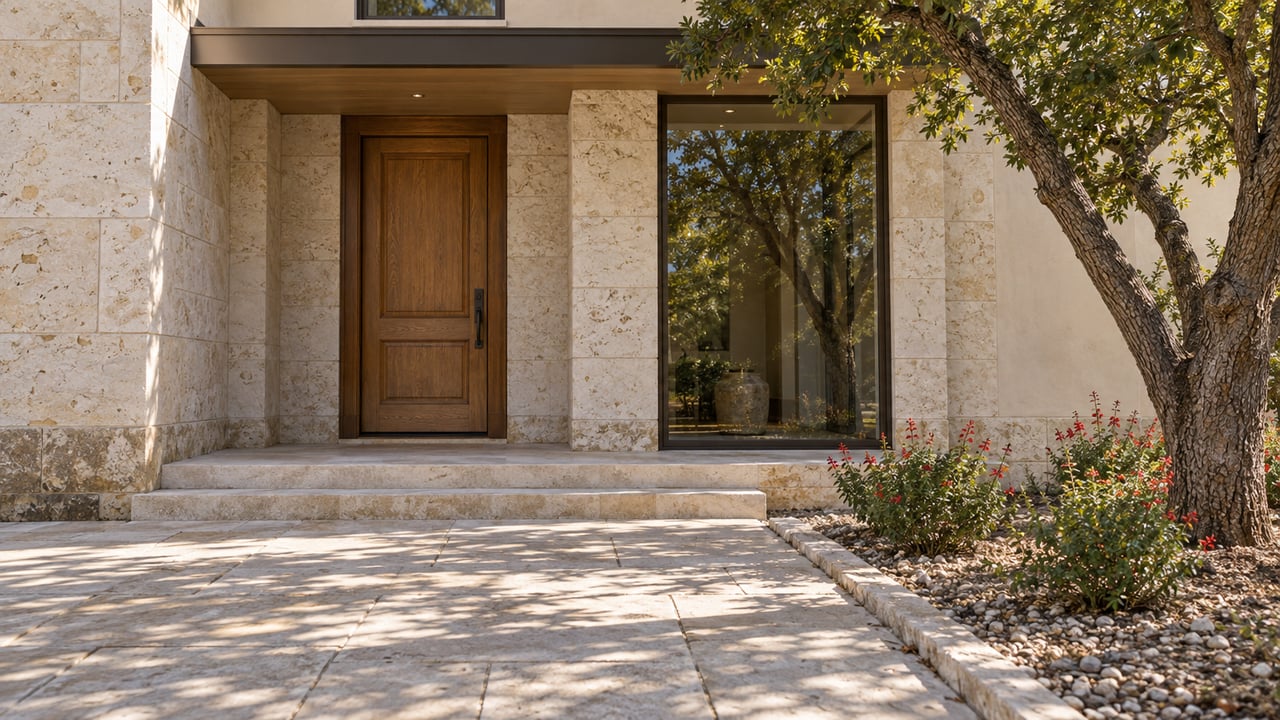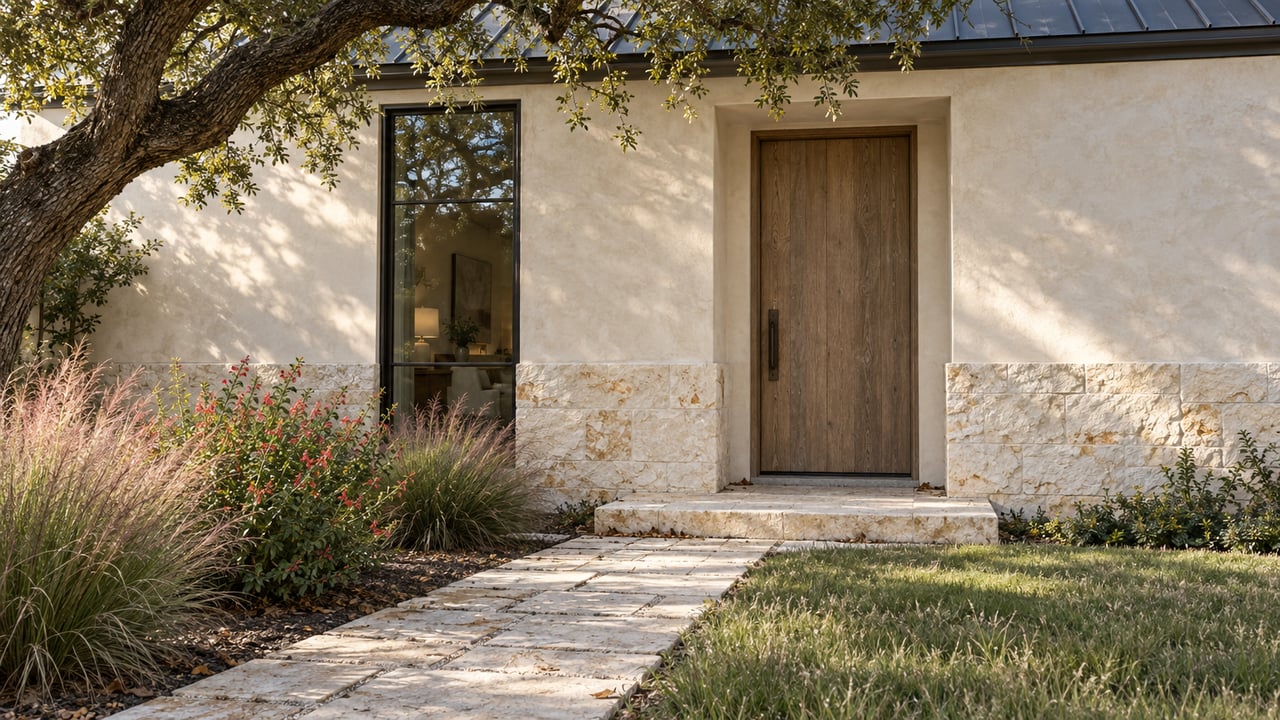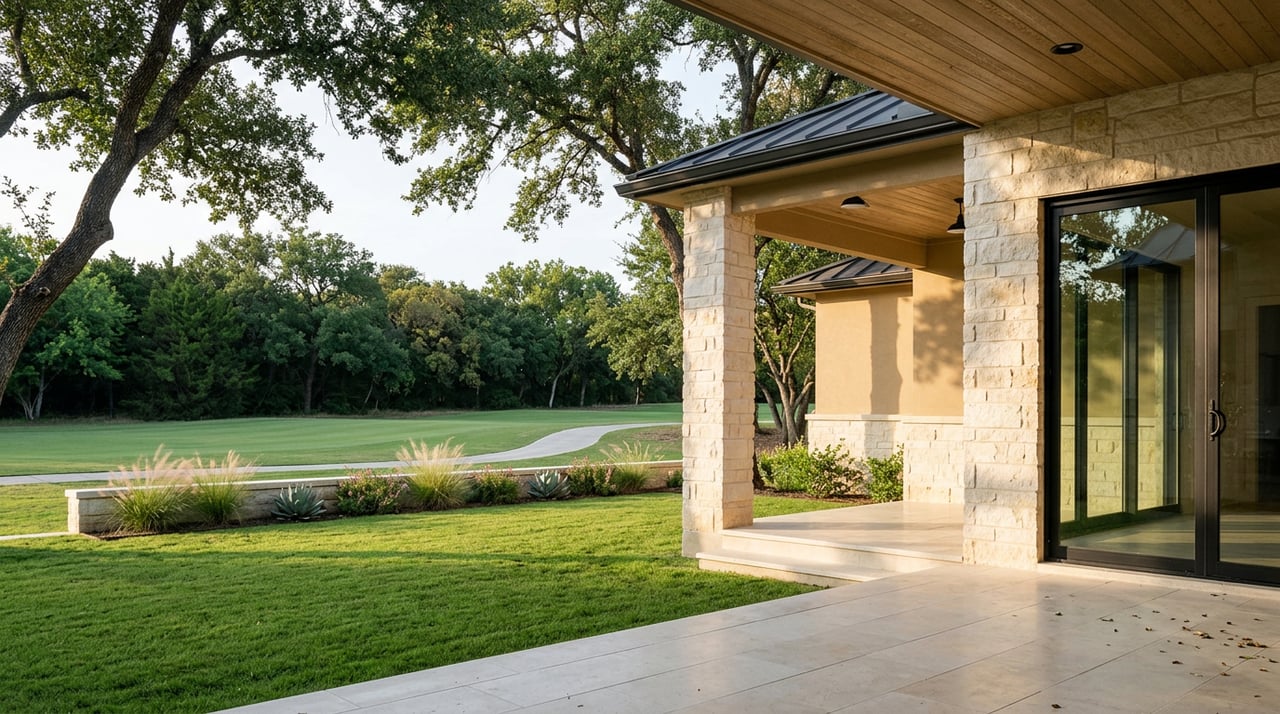
Imagine waking up to sweeping fairway views, coffee in hand, and a short cart ride to your tee time. That lifestyle is a big reason Austin golf course homes are in demand. But buying on the course is different from buying on a typical street. You need to look closely at memberships, rules, noise, insurance, and resale. This guide breaks it all down so you can buy with confidence and enjoy the lifestyle you want. Let’s dive in.
Know your golf community type
Private country club communities
In a private model, the club controls access and membership is limited. Initiation fees and dues apply, and memberships may be invitation only. Spanish Oaks is a good example of a private, low‑density community built around a members‑only course. Review how membership applications work and whether ownership provides any priority or simply a path to apply. You can see how the community positions membership by reviewing the official Spanish Oaks community site.
Resort or semi‑private models
Here, homes may include or convey a social or resort membership, with the option to upgrade for golf or athletics. MLS remarks often note when ownership “includes a social membership,” but the exact membership level and any transfer fees vary by property and club. For instance, some Barton Creek listings have stated that ownership includes a social membership to the resort’s club, which underscores the need to verify terms in writing. See how an example listing documents this language in a Barton Creek MLS example.
Public or municipal courses
Homes along public courses enjoy golf views without a membership requirement. You will not have club dues tied to ownership, but you also will not have the same level of member-only access or controlled play. Your carrying costs may be lower, yet your resale story will be different from homes tied to elite private clubs.
Your 8‑point due diligence checklist
A) Documents to collect before you offer
- Club membership packet: application, bylaws, initiation fee schedule, monthly or annual dues, refund policy, transfer rules, and waitlist practices. Confirm whether ownership includes or simply eases access to membership, and whether it is transferable. Broker guides sometimes publish estimated initiation and dues ranges for top Austin clubs. Treat those as estimates and verify with the club. See a representative Austin private clubs guide.
- HOA/POA CC&Rs and bylaws plus the latest budget, reserve study, and meeting minutes. Look for special assessments, architectural review rules, exterior maintenance obligations, cart path or irrigation easements, and any mandatory resident social memberships.
- Course ownership and stability: identify who owns the golf course land and who operates it. Ask if there are long‑term operating agreements, liens, or any public filings about sale or redevelopment.
- Club and HOA audited financials for the past 3–5 years and any board resolutions on capital projects. Healthy reserves and funded projects reduce risk.
- MLS/seller disclosures and title exceptions: check for cart path easements, setbacks that impact yard use, or any recorded golf‑ball indemnities.
- Insurance quotes: get a homeowners quote and ask about any surcharges or exclusions for properties on a course. Separately, check flood maps and whether flood insurance is required. FEMA’s guidance explains how to read flood maps through the Map Service Center. Start with FEMA’s training overview on flood mapping basics, and review Texas-specific tips from the Texas Department of Insurance blog.
B) Property‑specific physical checks
- Walk the property at peak times. Visit early morning to hear maintenance equipment, midday for active play, and on tournament days if possible. Note noise and privacy from tees, greens, and cart paths.
- Map proximity to tees, greens, bunkers, and gates. Ask for typical ball‑flight corridors and measure distance to living areas and outdoor spaces.
- Look for protective features like netting, berms, mature vegetation, and impact-resistant glass.
- Confirm maintenance and renovation schedules. Aeration and capital projects can temporarily increase noise, traffic, or equipment activity.
C) Transaction and resale checks
- Study local comps that isolate the golf adjacency variable. Ask the listing agent and your Realtor to provide course‑abutting vs non‑abutting sales in the same community.
- Confirm whether the price includes a membership conveyance or initiation credit. If membership transfer matters, place the transfer paperwork and any fees in the contract. See how listings often note conveyance in this Barton Creek example.
- If you plan to rent: check HOA and city rules for short‑term rentals. Many club communities restrict or prohibit STRs.
D) Questions to ask the club directly
- What membership categories exist and what do they cost, including initiation, monthly or annual dues, food and beverage minimums, and cart fees? Ask for a current written fee schedule. Broker guides publish estimates, but clubs change pricing, so verify with the club. A helpful context piece is this Austin private clubs overview.
- Is membership mandatory for residents? If not, what is the approval or waitlist timeline for resident applicants?
- Is membership transferable with the home sale and are initiation fees refundable or partially refundable on resignation?
- Can you review audited financials and the capital improvement plan for the next 3–5 years?
E) Safety and legal checks
- Ask your insurance agent whether the carrier has golf‑related exclusions. Confirm who covers stray‑ball incidents and whether the course or HOA carries general liability that benefits adjacent owners.
- Ask your title company to identify recorded waivers, indemnities, or easements tied to golf course operations.
- If needed, speak with an attorney about site‑specific liability or easement issues before removing contingencies.
Austin case studies to learn from
Spanish Oaks: private, gated, and exclusive
Spanish Oaks centers on a private Bobby Weed course and a limited, controlled membership. Homes here emphasize privacy and long lot lines. The key is to verify whether buying in the neighborhood includes membership, priority in the invitation process, or neither. Start with the official Spanish Oaks site to understand the community’s positioning, then request the current membership packet directly from the club.
Barton Creek: resort model with social conveyance
Barton Creek blends resort amenities and residential neighborhoods. Many listings highlight that ownership may include or convey a social membership to the resort’s club. The exact type and any transfer fees vary by property, so confirm the deed language and club documents. See how membership conveyance is described in a Barton Creek listing example, then get written confirmation from the club before you finalize terms.
Cimarron Hills: private club with tiers
Cimarron Hills in Georgetown is a gated community built around a Jack Nicklaus Signature course with a full lifestyle amenity set. Community materials often describe multi‑tiered memberships, with social access at the base and upgrades for golf or athletics. If you are buying here, ask for the club bylaws and fee schedule to confirm any resident membership requirements and transfer rules. For a high‑level overview of amenities and tiers, start with the Cimarron Hills club page, then request current documents from the club.
What the data says about value and risk
Homes that directly abut or overlook quality golf courses often sell at a premium, but the size of that premium varies by market and course. A classic study by Do and Grudnitski found that abutting a course added about 7.6 percent to selling price in their San Diego sample. You can read the study summary on ResearchGate. A College Station case study found larger adjacency premiums in its sample, which highlights how local conditions drive outcomes. See the College Station analysis on ResearchGate.
Course stability matters too. When a private course closes, nearby home values can fall in some cases. The size of the impact depends on whether the land becomes park space or is redeveloped, and on whether the course was private or public. For a concise summary of closure effects and pricing trends, review this closure impact analysis and case summaries. Your best move is to verify ownership, finances, and long‑term plans before you pay a premium.
Ways to reduce risk and increase enjoyment
- Visit at different times of day to understand sound, sightlines, and traffic patterns. Stand where you will relax most often and watch play for a full hour.
- Invest in practical protections like tall vegetation, strategic fencing, or impact‑rated windows near likely ball‑flight paths.
- Negotiate membership conveyance, initiation credits, or dues incentives in writing if they matter to your lifestyle. Include the correct club documents as exhibits.
- Ask for the club’s capital plan and recent assessment history, and check the HOA reserve study for course‑adjacent common areas.
- For a quick refresher on buyer questions to consider, scan this consumer guide on questions to ask before buying in a golf community.
When you have the right documents and a clear picture of day‑to‑day life on the fairway, you can buy with confidence and enjoy your home from day one.
If you want a thoughtful, step‑by‑step review of a specific Austin golf course property, reach out. As an education‑forward luxury team, we will walk you through membership options, HOA documents, comps, and contract strategy so you feel informed at every step. Start the conversation with Debbie Thomas.
FAQs
What types of golf memberships should I expect in Austin?
- You will typically see private club memberships with initiation and dues, resort or semi‑private models that include a social tier with upgrade paths, and public courses that do not require membership.
How do HOA rules affect life on a golf course?
- HOA CC&Rs can govern exterior changes, landscaping, fencing, cart path or irrigation easements, and short‑term rentals. Always read the full HOA package and minutes to identify fees, assessments, and use restrictions before you offer.
Are golf course homes noisier or less private?
- They can be during certain hours. Expect early morning maintenance and periodic tournament days. Privacy varies by lot orientation and distance from tees and greens, so visit at peak times to assess it firsthand.
Do I need special insurance for a home on a course in Texas?
- Standard homeowners policies vary by carrier. Ask your agent about exclusions or surcharges for course‑adjacent homes, then check FEMA flood maps and the Texas Department of Insurance guidance to understand any separate flood or wind coverage needs.
What should I include in my offer if I want the membership?
- Ask the seller to provide the club’s transfer documents and confirm whether the sale conveys a membership or an initiation credit. Include the correct transfer forms, fees, and any approval timelines in your contract so expectations are clear.