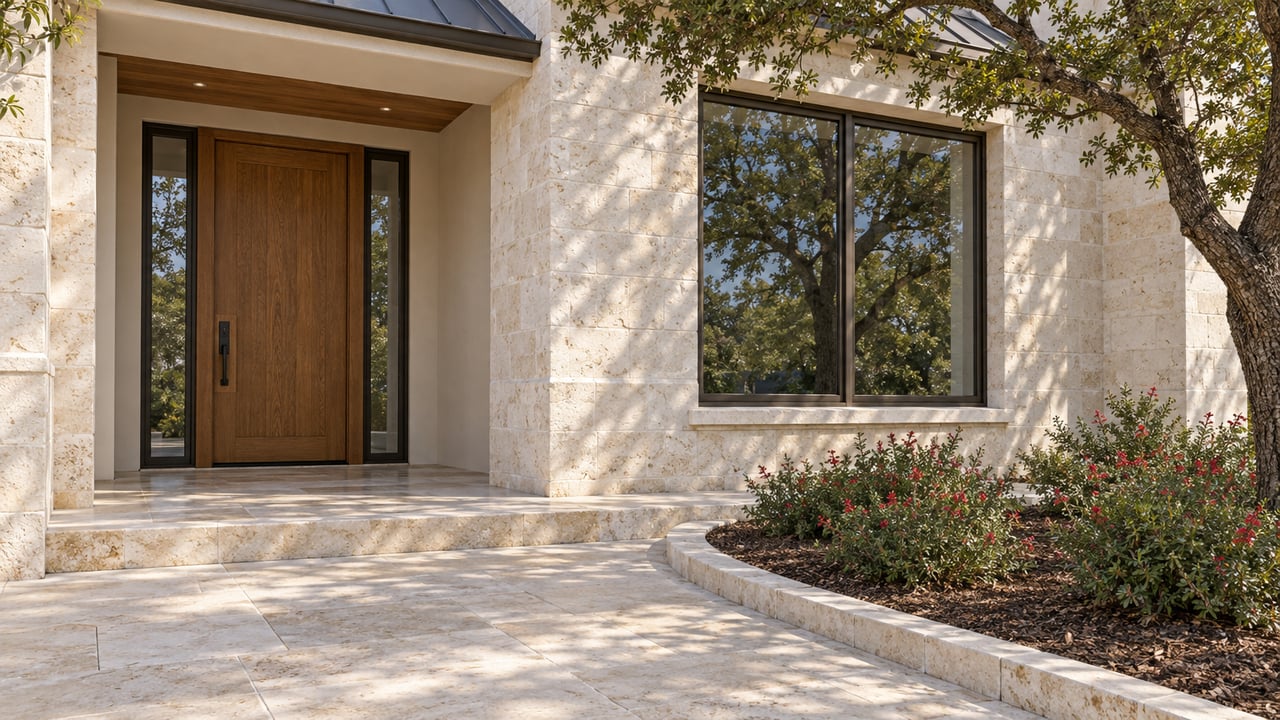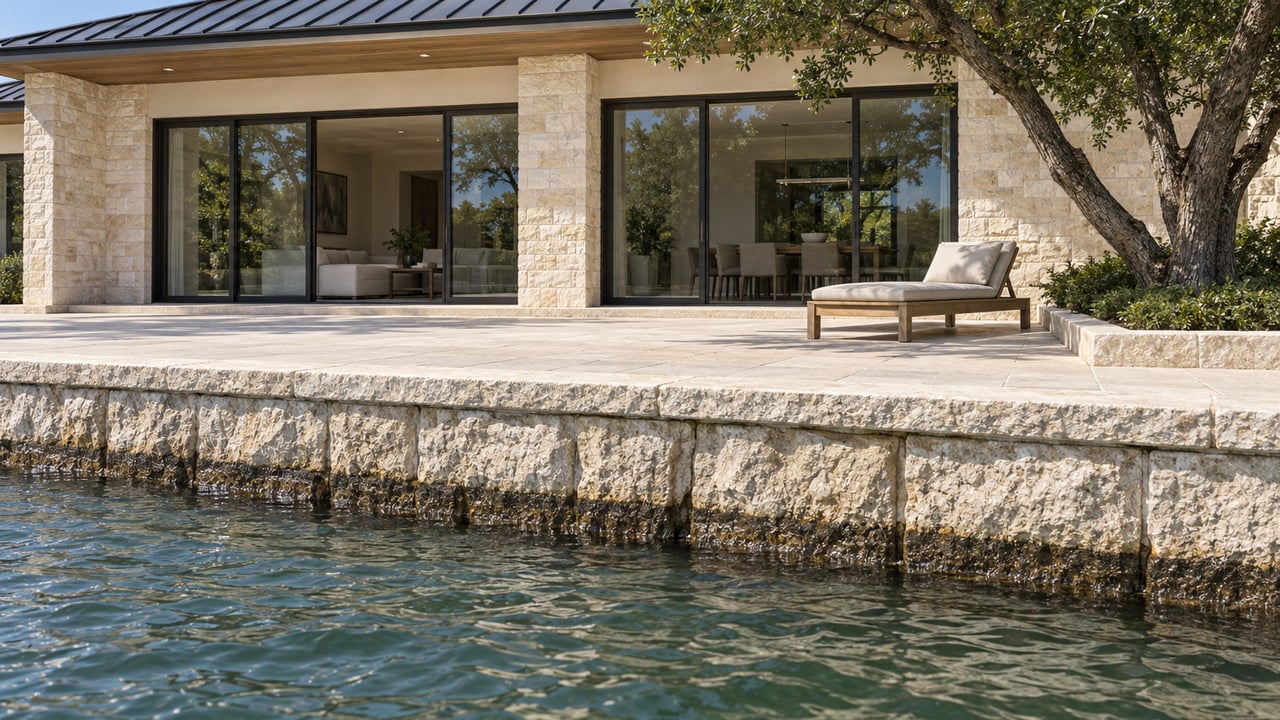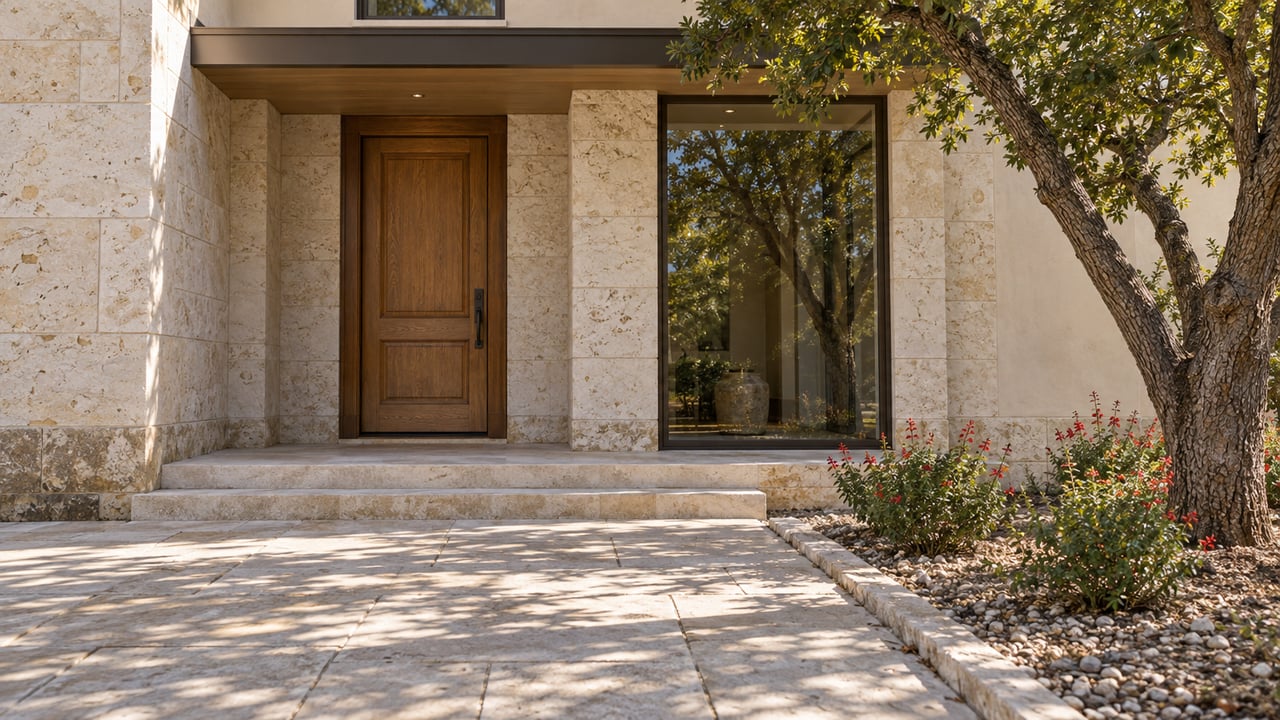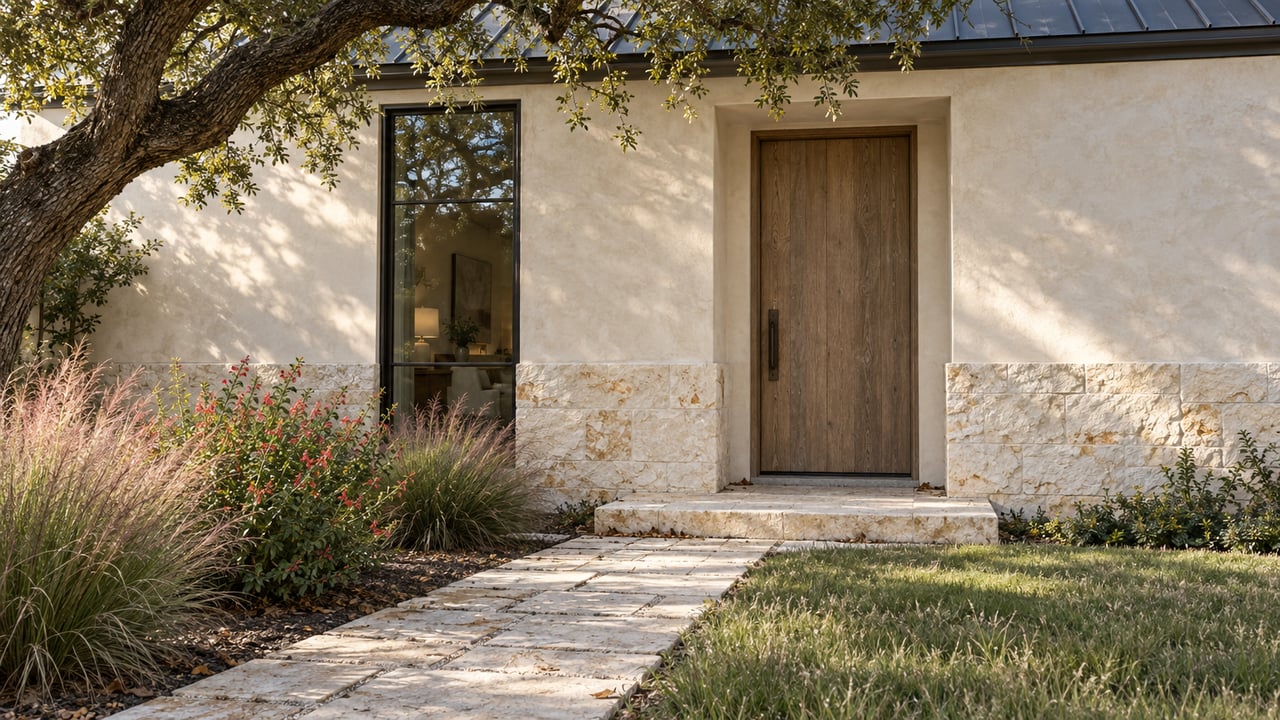
Thinking about buying a Hill Country or Lake Travis area home that you can enjoy personally and rent part-time? The opportunity is real, but the numbers can vary a lot depending on where the home sits, what amenities it offers, and which local rules apply. If you are looking in Leander and nearby lake-oriented areas, understanding those differences can help you make a smarter purchase. Let’s dive in.
Leander vs. Lake Travis Markets
If you lump Hill Country and Lake Travis homes into one short-term rental category, you can miss what really drives performance. Public data show these are not one uniform market. Lake-oriented areas often earn attention for views, water access, sunsets, and recreation, while Hill Country destinations can benefit from event traffic and seasonal leisure demand.
Leander is part of the broader north Travis County conversation, but its short-term rental profile looks more suburban than classic lakefront. According to AirROI's 2026 Leander report, the city has 139 active listings, a median average daily rate of $226, occupancy of 39.2%, and median annual revenue of $26,444. July is the peak revenue month, while January is the slowest.
Nearby submarkets can produce higher nightly rates, but not always better occupancy. Lakeway's 2026 report shows 74 active listings, a $310 ADR, 32.8% occupancy, and median annual revenue of $29,148. Dripping Springs, often used as a Hill Country benchmark, posts even higher rates with a $401 ADR, 31.9% occupancy, and median annual revenue of $41,912.
What the Leander Data Suggests
For many buyers, Leander can make sense when you want flexibility instead of a pure vacation-rental play. The local data point to a market where owner use may fit more naturally than in some destination-heavy areas. That matters if you want a second home or a property that can serve multiple goals.
The Leander report shows that 64% of listings accept 1-2 night stays, while 23% use 30+ night minimums. That mix suggests there is room for different operating styles, including part-time short-term use and longer-stay strategies. It also shows a market that is not built around just one type of guest.
Leander also leans strongly toward private, full-home stays. In the same report, 83.5% of listings are entire-home or apartment rentals, 66.9% are houses, and 48.2% can host six or more guests. If you are shopping for a larger home with personal-use appeal, that profile lines up well with how much of the market already operates.
Seasonality Matters More Than Many Buyers Expect
One of the biggest underwriting mistakes is assuming demand stays steady year-round. In this region, seasonality is a major factor. Summer tends to be the strongest revenue window in lake-oriented markets, while winter is usually softer.
Leander peaks in July. Lakeway peaks in June. Dripping Springs also peaks in July, based on the AirROI market reports. That pattern tells you something important: the nights you may want most for yourself are often the same nights that can generate the strongest rental income.
That tradeoff is especially important if your plan includes frequent personal use. A home can still work well as a part-time rental, but you should be realistic about blocked dates. If you reserve prime summer weekends for yourself, your income may look very different from a property that is available nearly full-time.
There are also shoulder-season demand drivers in the broader Hill Country. Texas Hill Country Wineries notes the region has more than 60 winery members and recurring trail and passport programming across spring, summer, fall, and the holidays. That helps explain why some non-lake destinations can still attract meaningful demand outside peak summer months.
Amenities That Can Push Rates Higher
Not every home is positioned to outperform the median. In both lake and Hill Country submarkets, the highest-rate properties tend to share a similar feature set. Buyers who want better rental potential should pay close attention to what guests will actually pay more for.
Across nearby markets, the strongest premiums appear tied to:
- Lake views or lakefront positioning
- Boat dock or water access
- Pools and spas
- Larger layouts for groups
- Distinctive outdoor entertaining space
- Proximity to golf or wine-country attractions
The Lakeway data show top examples such as a waterfront home with a pool and spa at a $1,123 ADR, a lake-view property with a pool and waterfall at $840 ADR, and a top-floor lake-view condo with boat-dock access at $459 ADR. In Jonestown, the same report highlights premium performance for luxury lake homes with heated pools, spas, and dock access.
Leander has its own standout example as well. The 2026 Leander report includes a top-performing property with a pool, sauna, and pickleball setup that generated $254,469 in annual revenue, with 51.1% occupancy and a $1,289.75 ADR. That is far above the median, but it reinforces a useful point: distinctive amenities can materially change the revenue picture.
Best Property Types for Part-Time Owner Use
If your goal is to enjoy the home and rent it selectively, the best fit is usually a property that still commands a premium when it is available. In practice, that often means choosing quality and uniqueness over simply chasing the lowest purchase price. A home that stands out has a better chance of carrying your owner-use calendar.
The public comp sets across Leander, Lakeway, and nearby lake-oriented areas suggest the strongest candidates are:
- Lake-view or lakefront homes
- Homes with dock access
- Properties with a pool and spa combination
- Larger homes suited for group stays
- Homes near golf or Hill Country leisure attractions
This is one place where a teacher-and-investor mindset helps. You want to look beyond broad averages and ask a more practical question: if you block the best weekends for personal use, does the property still make sense on the remaining nights? That is often the difference between a fun lifestyle purchase and a sustainable one.
Leander Short-Term Rental Taxes and Rules
Before you buy, the operational side matters just as much as the home itself. Taxes, reporting deadlines, and local enforcement can directly affect your carrying costs and risk. You should verify every property individually, especially if it is subject to deed restrictions or HOA rules.
Texas defines a short-term rental as all or part of a residential property rented to someone who is not a permanent resident for 29 days or less, and the state hotel occupancy tax applies to those stays, according to the Texas Comptroller reference. If a booking platform does not collect and remit the state tax for you, the owner must do it.
In Leander, the public tax page shows a 6% state hotel occupancy tax plus a 7% city hotel occupancy tax, for a combined 13% rate. The city also states that quarterly reports are due on the last day of the first calendar month following each quarter, even if no tax is due. You can review those details on the City of Leander tax page.
Leander also notes on its code-enforcement information that ordinance violations can be fined up to $2,000 per day, based on the same city resource. That is a strong reminder to confirm local compliance requirements before closing, not after.
How Leander Differs From Lakeway and Austin
For buyers comparing nearby options, the rules are not identical. That can change both your timeline and your net-income model. It is one reason location-level due diligence is so important.
Lakeway also applies a 7% city hotel occupancy tax, which combines with the 6% state tax for a total of 13%. But Lakeway's public materials show a more structured permit environment for single-family short-term rentals, including a waiting list, a permit cap, spacing requirements, inspection standards, and parking and advertising rules.
Austin is a stricter nearby comparison. The city says short-term rentals require an annual operating license, must have a local contact in the Austin metro area, and are subject to an 11% city hotel occupancy tax on top of the 6% state rate, for a 17% combined total. You can review the current framework on the City of Austin hotel and rental tax page.
For an investor-minded buyer, that difference is not small. A combined 13% tax environment in Leander or Lakeway is materially different from Austin's 17%, and that can affect projected net yield.
Due Diligence Before You Buy
A promising property can quickly become a poor fit if the restrictions do not line up with your plan. That is why due diligence should start early, before you get too far into underwriting. The numbers only matter if the home can actually be used the way you intend.
Before moving forward, make sure you confirm:
- HOA or deed restrictions
- Any city permit or license requirements
- Parking capacity
- Guest turnover logistics
- Local tax collection and remittance duties
- Whether the home's amenities truly support premium pricing
Lakeway offers a useful cautionary example. Its ordinance materials state that no permit should be issued for properties subject to deed restrictions or HOA rules that prohibit short-term rental use, according to the city archive materials. Even if you are buying in Leander, that is a smart reminder to verify restrictions at the property level.
A Smart Way to Evaluate These Homes
If you are considering a Leander, Hill Country, or Lake Travis area home as a short-term rental, it helps to think in layers. First, look at the micro-market. Then evaluate the specific home's amenities, seasonality, and owner-use tradeoffs. Finally, confirm the legal and tax framework before you commit.
In this part of Central Texas, not every home is meant to be a full-time rental machine. Some properties are better suited to a balanced strategy where you enjoy the home personally and capture income during the strongest windows. With the right property and clear expectations, that can be a very workable approach.
If you want help evaluating lake-area, Hill Country, or northwest Austin opportunities with both lifestyle and numbers in mind, Debbie Thomas offers private, education-first guidance tailored to your goals.
FAQs
What does short-term rental performance look like in Leander?
- According to AirROI's 2026 Leander report, the market has 139 active listings, a median ADR of $226, occupancy of 39.2%, and median annual revenue of $26,444, with July as the peak revenue month.
What amenities help Lake Travis and Hill Country homes earn higher short-term rental rates?
- Public comps point to lake views, waterfront access, boat docks, pools, spas, larger group-friendly layouts, and homes near golf or wine-country attractions as common premium drivers.
What short-term rental taxes apply to Leander properties?
- Leander lists a 6% state hotel occupancy tax plus a 7% city hotel occupancy tax, for a combined 13% rate, with quarterly reporting due even when no tax is owed.
How do Leander short-term rental rules compare with Lakeway and Austin?
- Leander and Lakeway both total 13% in state and city hotel occupancy taxes, while Austin totals 17%; Lakeway also has a more defined permit framework, and Austin requires an annual operating license.
Can a Leander or Lake Travis area home still work if you want personal use too?
- Yes, but you should underwrite carefully because the strongest rental nights are often the same summer and event dates owners most want to keep for themselves.