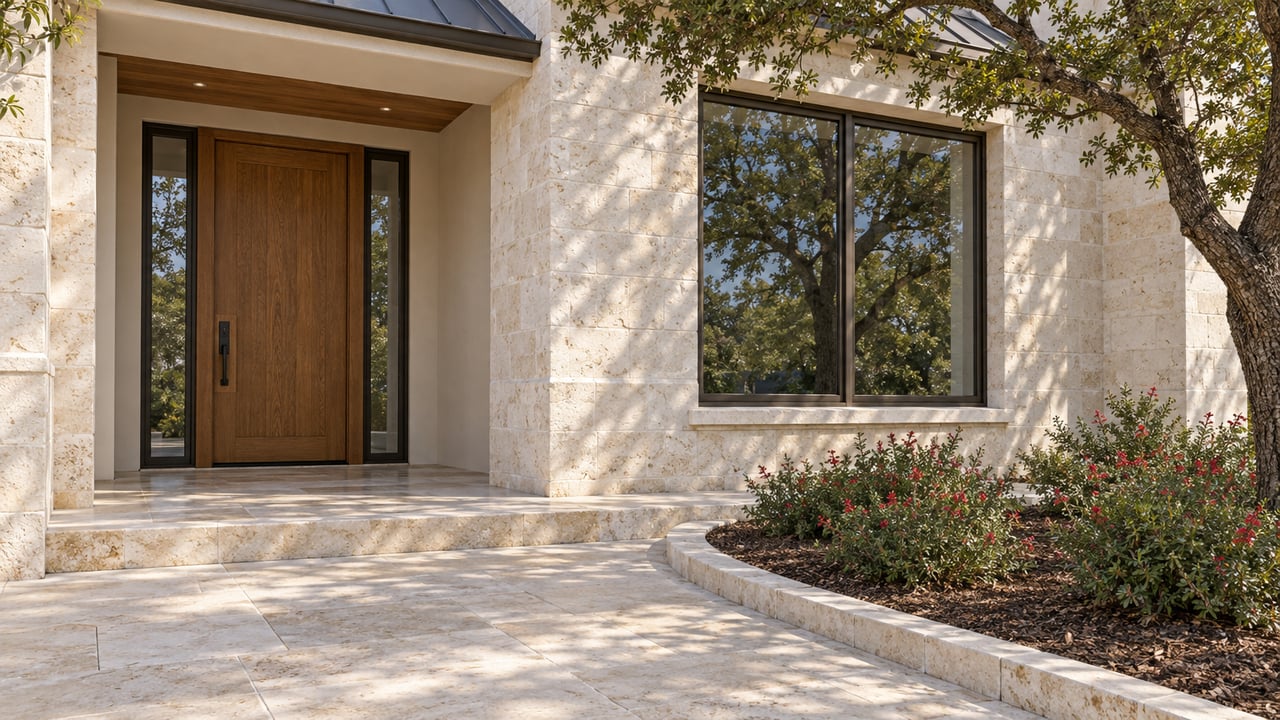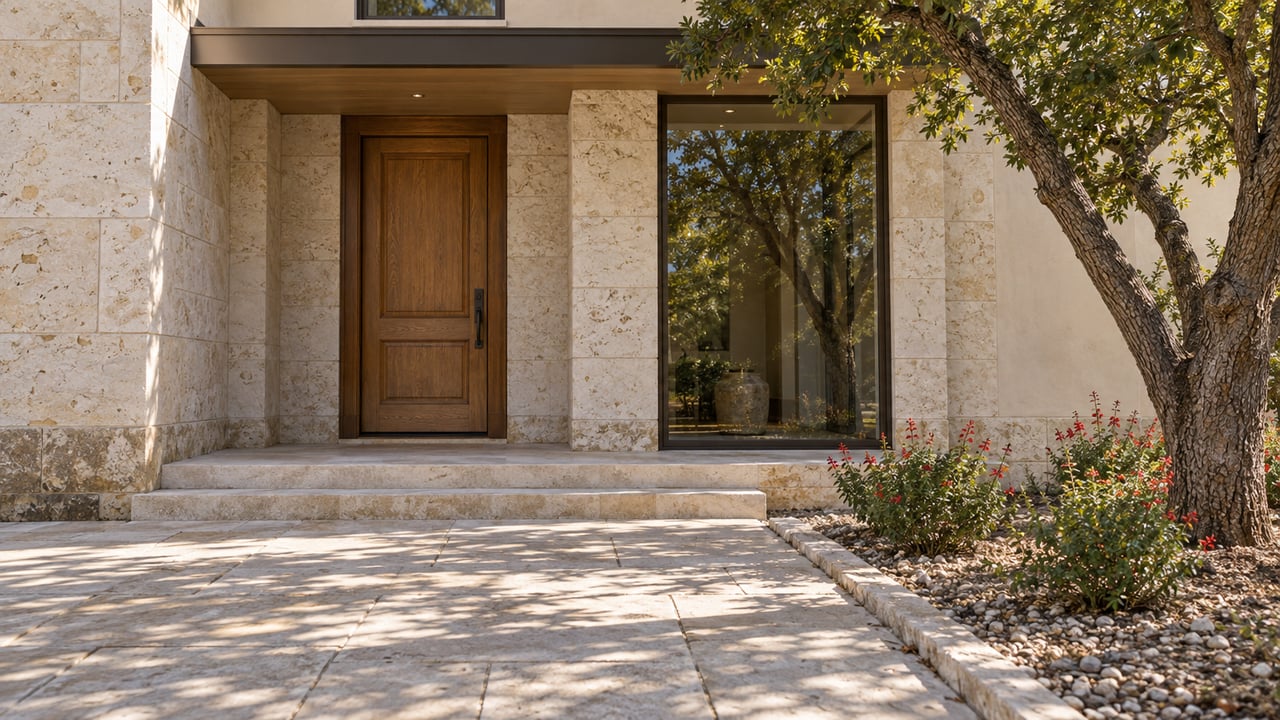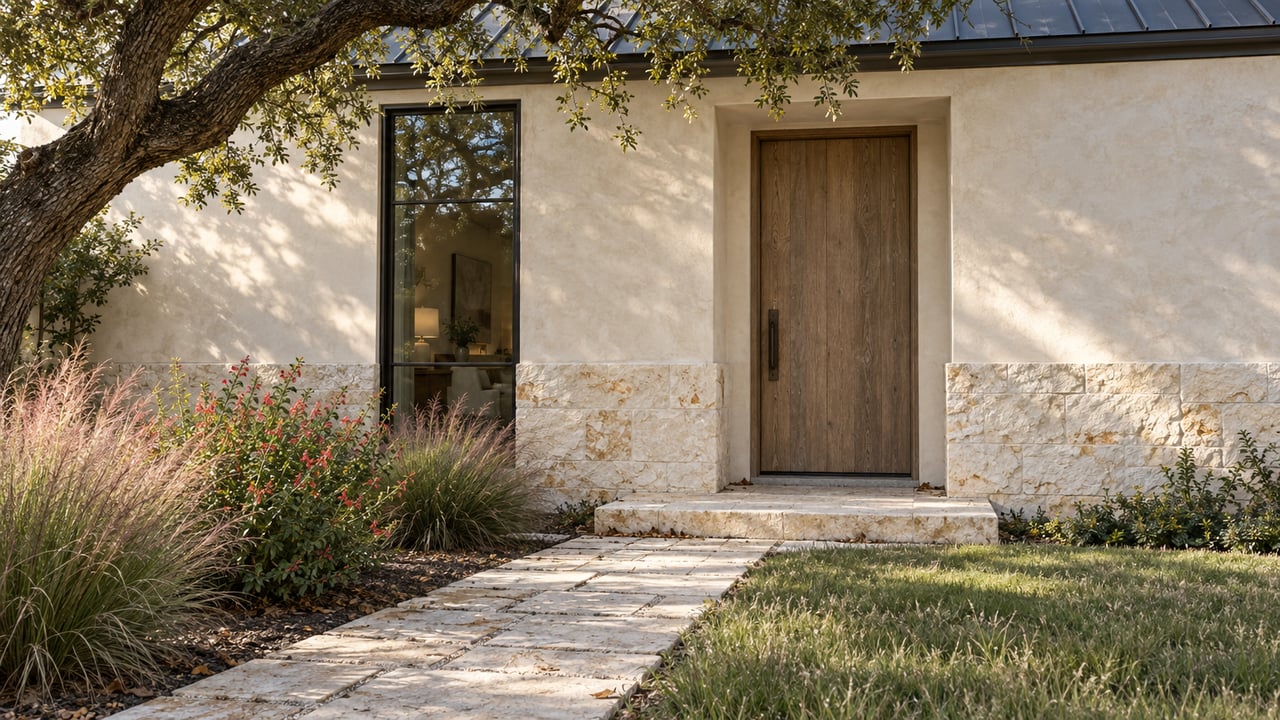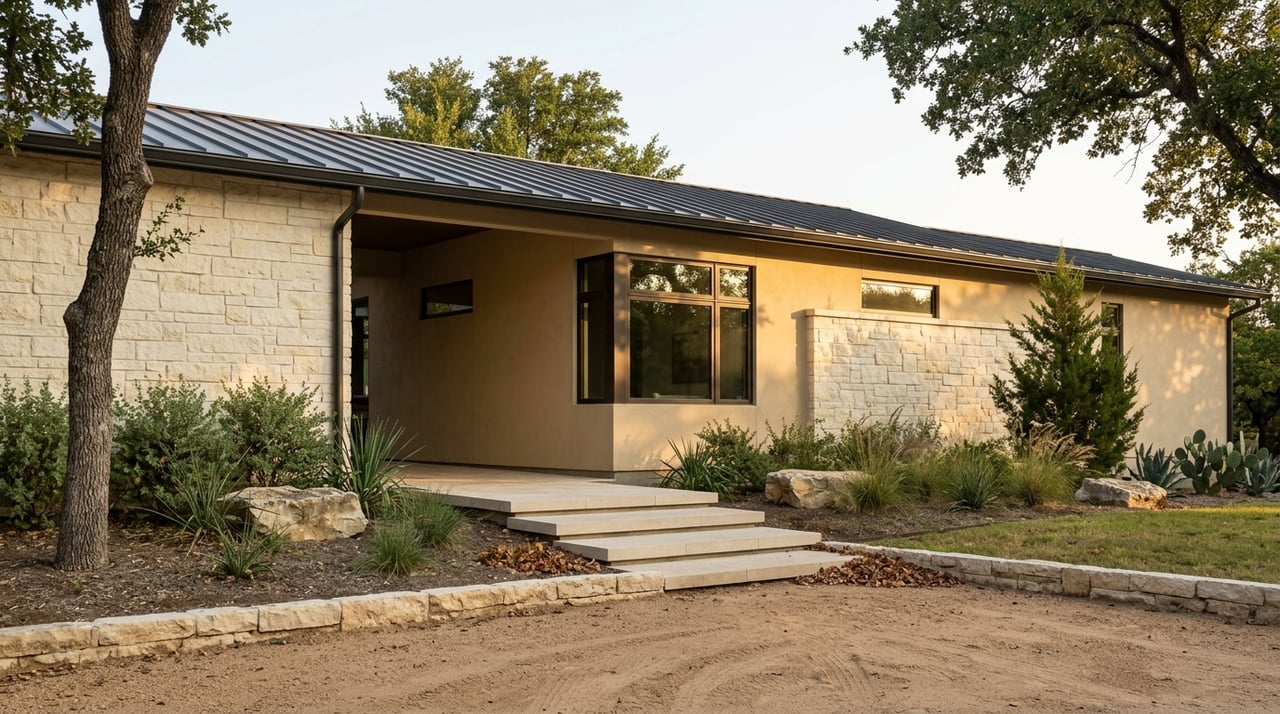
Dreaming about a quiet Hill Country escape near Austin? In Leander, the view can be stunning, but the land itself often tells the real story. If you are considering a retreat property in Travis County, understanding slope, access, utilities, tax treatment, and wildfire exposure can help you buy with confidence and avoid expensive surprises later. Let’s dive in.
Why Leander appeals to retreat buyers
Leander gives you a rare mix of proximity and privacy. You can stay connected to the Austin metro while still finding acreage, bigger views, and a more tucked-away setting that feels like a true retreat.
For buyers focused on the Hill Country lifestyle, the western side of Leander often stands out. The city’s wildfire planning materials describe that area as more rugged and rocky, with steeper slopes and wider elevation ranges than central and eastern parts of the community. That terrain can create dramatic homesites, but it also changes how you should evaluate a property.
Why terrain matters more than you think
A hill-country parcel is not just a larger suburban lot. In Travis County, land may include sharp slopes, rock ledges, drainage channels, and floodplain constraints, all of which can affect how and where you build.
That matters because site conditions influence more than your future floor plan. They can also affect driveway placement, drainage strategy, septic layout, construction cost, and even whether a parcel feels easy or burdensome to maintain over time.
Steep slopes can shape your budget
Travis County septic permitting requires site plans that identify creeks, dry washes, drainage ditches, ponds or lakes, sharp slopes, areas with slopes of 15 percent or greater, county floodplain, and contour lines around the proposed system area. In simple terms, the county wants a clear picture of the land before approving key systems.
For you as a buyer, that means a beautiful hillside lot may need more engineering and planning than expected. Retaining walls, grading, drainage improvements, and specialized driveway work can all add cost before construction even begins.
Access is part of the property value
Driveway design is not just a convenience issue. Travis County says driveway approaches must maintain positive drainage, and the grade on a driveway approach may not exceed 15 percent unless the county approves otherwise.
For some rural-road properties, the county may also require culvert or dip-style construction. If access is difficult, the usable value of the land can change quickly because getting to the homesite safely and legally may require more work than a listing first suggests.
Think in terms of permitting, not just closing
When you buy a retreat property, the finish line is not the purchase contract. Travis County defines development broadly, including structures, driveways, grading, excavation, drilling, and on-site sewage facilities.
That is especially important outside city limits, where county development services oversee floodplain management and construction inspections. If you are purchasing raw land or lightly improved acreage, it helps to treat permitting and feasibility as part of the acquisition decision, not as an afterthought.
Water and septic need early review
For many Hill Country properties, water and wastewater systems are not as simple as city service at the curb. If a property relies on a private well or septic system, your due diligence should go deeper than a standard visual walk-through.
Private wells need records and testing
The Texas Department of Licensing and Regulation regulates private water well drilling and pump installation. The Texas Water Development Board also maintains tools for locating well reports by address, owner, drill date, or county.
When you are evaluating a property, ask for the well report and verify whether the parcel falls inside a groundwater conservation district boundary that may have additional rules. A well is not just a feature on a marketing sheet. It is an active system that deserves documentation and follow-up.
The EPA recommends annual testing for total coliform bacteria, nitrates, total dissolved solids, and pH. It also recommends retesting after flooding, land disturbance, repairs, or any noticeable change in water quality.
Septic design depends on the site
The Texas Commission on Environmental Quality says on-site sewage facilities must be designed based on a site evaluation that accounts for local conditions. It also states that almost all OSSFs need a permit before construction, installation, repair, extension, or alteration.
In Travis County, the septic permit process can require the legal property description, site plan, soil evaluation, OSSF and well locations, floodplain information, slopes, contours, and an erosion and sediment control plan. That is why surveys, drainage review, and utility layout matter before you assume a parcel is ready for your dream build.
Understand ag and wildlife valuation
One of the biggest points of confusion with acreage purchases is property taxes. In Texas, what many people call an agricultural exemption is generally a special valuation based on productivity value rather than market value.
That distinction matters because the tax benefit is tied to how the land is used. If the use changes, the tax picture can change too.
It is a valuation, not an automatic exemption
The Texas Comptroller says qualifying farm and ranch land may be appraised on productivity value, and land used for wildlife management may also qualify for special appraisal. Travis Central Appraisal District also notes that the so-called ag exemption is a special valuation, not an exemption.
Qualifying uses can include crops, livestock, bees, and wildlife management. TCAD also notes that acreage needs vary by use, and land inside an incorporated city or town faces additional qualification requirements.
New ownership can trigger new filings
In Travis County, wildlife valuation does not automatically transfer to a new owner. A buyer seeking 1-d-1 open-space agricultural use appraisal must file a new application, and wildlife management applications must include a Texas Parks and Wildlife Department wildlife management plan.
TCAD says ag applications are timely from January 1 to April 30, and wildlife management annual reports are due by the last day of February. If preserving special valuation is important to your ownership strategy, those deadlines should be part of your planning.
Rollback tax may affect your true cost
The Texas Comptroller says a change from qualified agricultural use to another use can trigger rollback tax. In general, that recaptures the difference between taxes paid on agricultural value and taxes that would have been paid on market value for the prior three years.
If you plan to build, subdivide, or shift the land away from qualifying use, that possible tax exposure should be part of your budget from day one. A lower current tax bill does not always mean lower long-term ownership cost.
Wildfire risk should be part of your buying plan
A retreat property can feel wonderfully private, but privacy often comes with vegetation, slopes, and more distance from urban infrastructure. Travis County states that wildfire remains a significant and serious threat to life and property.
Leander’s own wildfire materials add important local context. The western side of the city has more rugged terrain, steeper slopes, and wider elevation ranges, all of which can complicate fire prevention and response.
Evaluate the site, not just the house
Topography, brush fuel, and access routes all matter. A home with a scenic setting may also require more consistent vegetation management and a more intentional approach to defensible space.
Leander’s Fire Marshal reviews new developments, inspections, and code complaints, and the city’s Firewise information emphasizes readiness through ongoing mitigation work. For buyers, that makes wildfire resilience part of ownership planning, not just a seasonal concern.
Burn rules can affect your lifestyle
Outdoor burning is another practical detail that can surprise acreage buyers. Leander prohibits outdoor burning inside city limits.
Outside city limits in Williamson or Travis counties, residents may burn only approved materials when no burn ban is in effect and when they have proper fire-department authorization. If you expect to clear brush or use burn piles, it is worth confirming what is allowed before you buy.
A smart due-diligence checklist
When you are buying a Hill Country retreat in Leander, a few early steps can save you time and money later:
- Confirm the exact parcel jurisdiction by legal description and county map, since Leander spans both Williamson and Travis counties and rules can differ by tract.
- Review terrain, slopes, drainage patterns, and possible floodplain constraints before assuming the homesite is straightforward.
- Ask for well reports, confirm system history, and schedule water testing if the property uses a private well.
- Pull septic permit records, soil evaluations, and maintenance information early.
- Verify whether the land has agricultural or wildlife valuation and whether a new-owner application may be needed.
- Model any potential rollback tax exposure if your intended use will change.
- Review wildfire risk maps, access routes, vegetation conditions, and local burning rules before closing.
The bottom line on Leander retreat properties
Buying a Hill Country retreat near Austin can be incredibly rewarding, especially if you want space, privacy, and a property that feels tied to the land. In Leander’s Travis County areas, though, the smartest purchases usually come from careful review of terrain, infrastructure, tax status, and wildfire exposure before you fall in love with the view.
That is where clear guidance matters. With retreat and acreage properties, the right questions often matter just as much as the right address.
If you are considering a Hill Country purchase near Austin and want a strategic, education-first approach, connect with Debbie Thomas for a private consultation.
FAQs
What should you check first when buying a Hill Country retreat in Leander?
- Start with the parcel’s exact location, jurisdiction, terrain, and access, because county rules, slopes, drainage, and driveway feasibility can all affect the property’s usable value.
Why does slope matter on Leander acreage?
- Slope can affect buildability, septic placement, drainage, driveway design, and cost, especially since Travis County requires detailed site information for septic permitting.
How do private wells affect a Leander retreat purchase?
- Private wells require documentation, ongoing maintenance, and water testing, so you should request the well report and evaluate the system before closing.
Does an agricultural valuation transfer automatically to a new owner in Travis County?
- No. Travis Central Appraisal District says a new owner must file a new application if seeking 1-d-1 open-space agricultural use appraisal, and wildlife management requires additional documentation.
Are wildfire concerns important for retreat properties near western Leander?
- Yes. Travis County identifies wildfire as a serious threat, and Leander’s western terrain can add complexity because steeper slopes, brush, and access conditions can affect prevention and response.
Can you burn brush on acreage in Leander?
- Inside Leander city limits, outdoor burning is prohibited. Outside city limits, burning may be allowed only for approved materials, when no burn ban is in effect, and with proper fire-department authorization.